
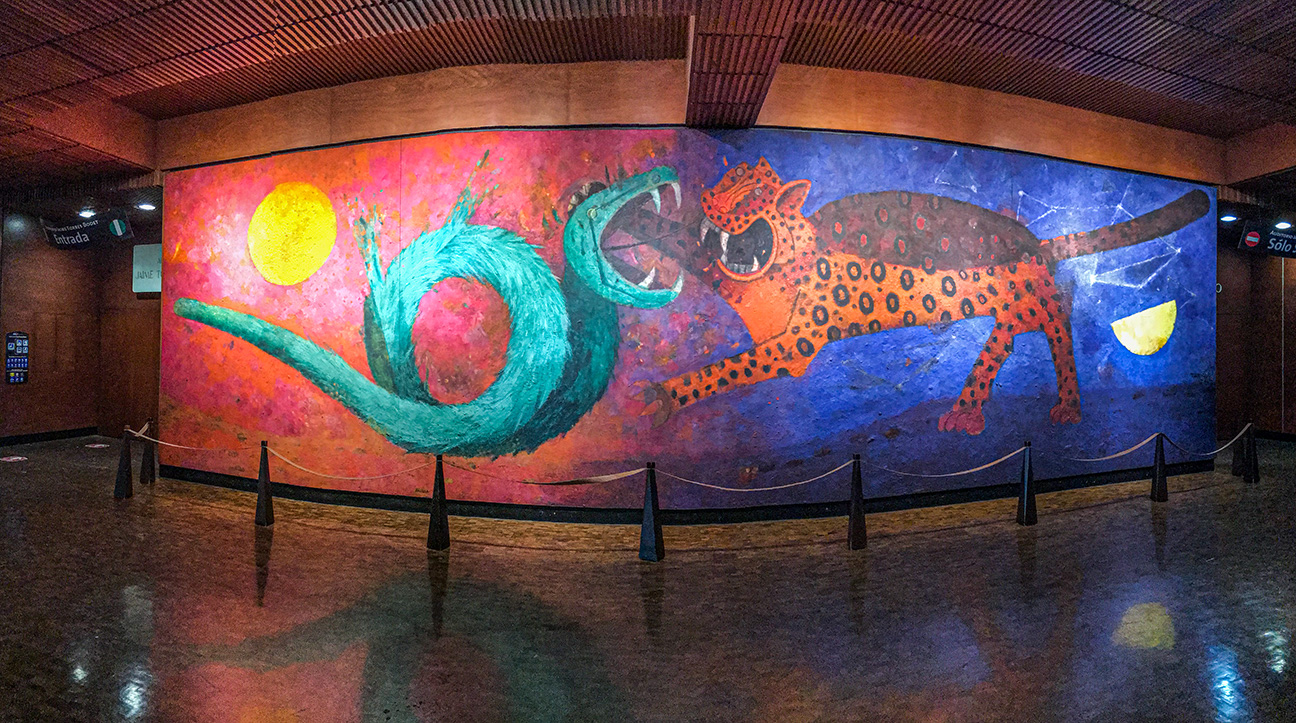
Morning light arrives differently in public art photo walks in Mexico City. It does not simply illuminate façades or sculptures; it settles on volcanic stone, polished bronze, jacaranda shadows, and reflective glass, composing scenes that feel discovered rather than designed. In neighborhoods such as Polanco, photography becomes less about documenting landmarks and more about recognizing conversations between architecture, public art, and everyday life. Every corner suggests a frame. Every pause invites attention.
For those who appreciate cities through aesthetics rather than itineraries, Mexico City offers something increasingly rare: an urban landscape where culture exists in public view. Museums spill into plazas. Contemporary sculptures reshape pedestrian spaces. Cafés become extensions of galleries. The city rewards those who walk slowly, allowing composition to emerge naturally instead of searching for postcard moments.
Public Art Photo Walks in Mexico City: Seeing Beyond the Landmark
Photography often begins with monuments but matures in the spaces between them.
Mexico City’s public art is remarkable because it refuses isolation. Sculptures interact with office towers, historic avenues, trees planted decades apart, and people whose daily routines become part of the composition. Art here belongs to the city rather than standing apart from it.
In Polanco, broad sidewalks encourage wandering. The measured rhythm of pedestrians, bicycles, terraces, and contemporary architecture creates visual harmony rarely found in major capitals. The district’s restrained elegance makes every photographic frame feel intentional without becoming theatrical.
This dialogue between permanence and movement defines the city’s visual identity. One moment presents polished modernism. The next reveals weathered stone softened by afternoon light.
Photography becomes observation rather than collection.
Where Architecture Becomes the Background
Lincoln Park and the Quiet Geometry of Everyday Life
Few places demonstrate Mexico City’s urban sophistication more gracefully than Lincoln Park.
Its reflective ponds, mature trees, and carefully balanced landscaping create an environment where sculptures appear integrated into everyday life rather than displayed as isolated objects. Morning joggers pass contemporary installations. Children feed birds beneath elegant residential façades. The city reveals itself through subtle relationships.
Around the park, contemporary residential buildings echo the calm precision associated with Mexican modernist architecture. Clean lines, warm materials, and generous landscaping soften density without sacrificing urban vitality.
For photographers, these transitions are more compelling than dramatic skylines. Texture replaces spectacle.
Along Paseo de la Reforma
No avenue expresses the ambitions of modern Mexico City more completely than Paseo de la Reforma.
Public sculptures appear throughout the boulevard, creating an open-air collection that stretches across financial districts, cultural institutions, and green spaces. Glass towers reflect historic monuments. Trees interrupt corporate symmetry. The avenue becomes a living exhibition where architecture continuously reframes public art.
Rather than searching for isolated compositions, photographers find richer images by observing interactions: reflections across polished façades, silhouettes crossing wide intersections, and changing shadows cast by monumental sculptures throughout the day.
The city edits itself through light.
Coffee, Design, and the Art of Looking Slowly
Luxury rarely announces itself loudly.
One of Polanco’s greatest pleasures lies in alternating between walking and pausing. Independent coffee shops, refined bakeries, and design-conscious cafés create natural intervals between photographic discoveries. Espresso arrives alongside architectural conversation. Interiors balance Mexican craftsmanship with contemporary minimalism.
The relationship between coffee culture and photography is almost inevitable. Both require patience. Both reward attention to detail.
A quiet table facing the street becomes another observation point. Reflections move across windows. Cyclists pass beneath carefully pruned trees. Afternoon sunlight transforms ordinary crossings into cinematic scenes.
Urban beauty often appears during these pauses rather than while moving.
Museums That Extend into the Street
Mexico City’s museums rarely end at their entrance.
Around Museo Soumaya, polished metallic curves constantly reshape reflections of sky and neighboring buildings. Visitors become temporary elements within an ever-changing surface.
Nearby, Museo Jumex demonstrates how contemporary architecture can feel simultaneously monumental and restrained. The building’s limestone geometry creates constantly shifting compositions depending on weather and time of day.
These institutions remind visitors that contemporary art is not confined to galleries. Architecture itself becomes part of the exhibition.
The walk between museums proves equally rewarding. Public plazas, landscape design, and carefully considered sightlines encourage observation beyond exhibition walls.
Small Corners, Lasting Images
The photographs most often remembered are rarely those everyone else takes.
Instead, they emerge unexpectedly:
- Morning shadows crossing textured concrete.
- Brass details on a residential doorway.
- A lone bench beneath mature jacarandas.
- Reflections of clouds across mirrored façades.
- Street musicians performing beside contemporary sculpture.
- Evening light turning limestone façades almost golden.
These scenes cannot be scheduled.
They reward curiosity instead of efficiency.
Mexico City possesses an unusual generosity toward attentive walkers. It offers compositions that exist for only minutes before pedestrians, weather, or changing light transform them completely.
That impermanence gives each photograph emotional weight.
The Culture of Walking Well
Cities reveal their values through the quality of their public spaces.
Polanco’s generous sidewalks, tree-lined avenues, cultural institutions, and architectural discipline suggest a vision of urban living built around dignity rather than speed. Walking becomes both transportation and contemplation.
This approach reflects a broader characteristic of Mexico City’s cultural identity. Art is not treated as decoration. Design is not separated from daily life. Gastronomy, architecture, museums, literature, and public space intersect continuously.
The result is a city where aesthetic appreciation becomes an everyday habit instead of a scheduled activity.
Visitors who embrace this slower rhythm often return with fewer photographs than expected.
Yet those images carry greater meaning because each frame represents observation rather than consumption.
In the end, the finest photograph may not be the most dramatic composition. It is the one that preserves a fleeting conversation between architecture, public art, light, and memory—a reminder that some cities are experienced not by checking landmarks from a list, but by allowing beauty to reveal itself one carefully observed corner at a time.
Leave a Reply