
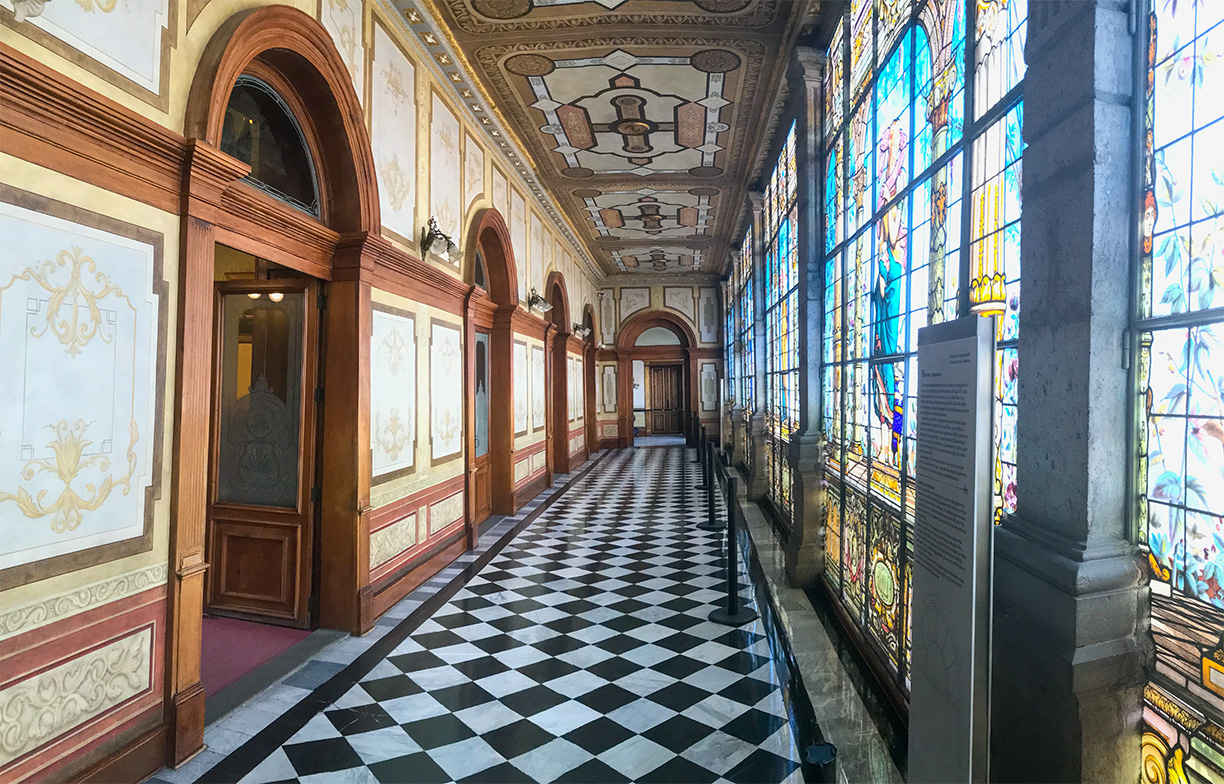
There are cities that reveal themselves through monuments. Others through cuisine. Some through architecture. Mexico City offers something more elusive: a continuous exchange of ideas. Here, galleries, cafés, public spaces, bookstores, and museums form an urban dialogue that extends far beyond their walls. It is within these cultural encounters that Cultural Conversations in Mexico City become part of daily life rather than curated experiences.
A museum visit in this city rarely ends at the exit.
Instead, it lingers over coffee in Polanco, resurfaces during dinner discussions, and echoes through observations about architecture, history, identity, and design. The most memorable museums do not simply display objects. They provoke reflection, ask questions, iinvite participation in an ongoing conversation about who we are and how cities shape the way we think.
For travelers seeking more than landmarks, Mexico City’s museums offer something increasingly rare: intellectual engagement woven into everyday urban life.
Cultural Conversations in Mexico City Begin Inside the Museum
The world’s great museums are often measured by the significance of their collections. Mexico City’s most compelling cultural institutions are equally defined by the conversations they generate.
Walking through the halls of the Museo Nacional de Antropología, visitors encounter civilizations that continue to influence contemporary Mexican identity. Ancient sculptures and ceremonial objects do not feel distant. They feel present. Their influence appears in language, cuisine, public art, and architecture throughout the city.
The experience becomes less about observing history and more about understanding continuity.
At Museo Tamayo, contemporary works challenge assumptions about culture, politics, and aesthetics. Nearby, Museo Jumex explores global artistic dialogues while maintaining a distinctly Mexican perspective. Together, these spaces demonstrate how modern Mexico positions itself within broader international conversations.
The architecture itself contributes to the narrative.
Light, scale, materiality, and movement through space become part of the visitor’s experience. Museums here are not containers for culture. They are active participants in shaping it.
Architecture as Dialogue
Mexico City’s cultural institutions often blur the boundaries between architecture and exhibition.
The National Museum of Anthropology’s iconic central courtyard transforms rainfall into performance. Museo Soumaya’s sculptural form alters the skyline. Museo Jumex uses natural light as carefully as any curator arranges artwork.
These buildings communicate long before visitors encounter a single exhibit.
Architecture becomes a language. Materials become arguments. Space becomes storytelling.
In neighborhoods such as Polanco, this architectural consciousness extends beyond museums themselves. Residential buildings, galleries, boutique hotels, and public plazas contribute to a broader urban composition. The result is an environment where aesthetic awareness becomes part of daily life.
A walk between museums often proves as stimulating as the exhibitions themselves.
The city rewards observation.
The Polanco Rhythm of Reflection
Polanco offers a particularly revealing lens through which to understand Mexico City’s cultural character.
Mornings begin slowly. Coffee arrives without urgency. Conversations unfold naturally. The neighborhood’s broad sidewalks and mature trees encourage wandering rather than rushing. Cultural experiences feel integrated into the rhythm of the day.
After visiting a museum, it is common to continue reflecting over a carefully prepared espresso or a long lunch.
Ideas move from gallery walls to café tables.
This intersection of culture and lifestyle distinguishes Mexico City’s intellectual landscape. Museums do not exist in isolation. They form part of a larger ecosystem that includes independent bookstores, design studios, architectural landmarks, and some of the country’s most thoughtful culinary destinations.
The city’s gastronomic culture reinforces this exchange.
Chefs reinterpret historical ingredients. Designers reimagine traditional craftsmanship. Architects draw inspiration from both modernism and indigenous heritage. Every discipline seems engaged in a shared dialogue about contemporary Mexican identity.
Visitors become participants rather than spectators.
Coffee, Design, and the Art of Staying Longer
The most meaningful museum experiences often occur after the exhibition ends.
A notebook opens on a café terrace. A discussion begins over pastries. Someone references an artwork encountered earlier in the day. Another connects it to a building seen across the avenue.
These moments matter.
They transform cultural consumption into cultural participation.
Polanco’s café culture supports this slower pace of engagement. Spaces are designed for lingering. Interiors emphasize texture, natural light, and thoughtful materials. The atmosphere encourages contemplation rather than productivity.
Luxury, in this context, is not excess.
It is the freedom to spend time thinking.
Museums as Mirrors of Urban Identity
Cities reveal their values through the institutions they preserve and support.
Mexico City’s museum landscape reflects a society comfortable with complexity. Indigenous history exists alongside contemporary experimentation. International perspectives coexist with deeply local narratives. Tradition and innovation engage in continuous dialogue rather than opposition.
This balance gives the city its intellectual energy.
Visitors encounter stories of migration, craftsmanship, artistic rebellion, environmental awareness, and social transformation. Museums become mirrors through which broader questions emerge.
What does progress mean?
How should history be remembered?
What role does creativity play in civic life?
The answers remain open.
That openness is precisely what makes these experiences memorable.
Rather than delivering certainty, the city’s museums cultivate curiosity.
The Conversation Continues Beyond the Gallery
The most sophisticated cultural experiences do not end when the ticket is scanned for the final time.
They continue through observation.
Through discussion.
Through the gradual realization that understanding a city requires participation rather than consumption.
Mexico City excels at creating these moments. Its museums provide the starting point, but the broader urban environment sustains the dialogue. Architecture, gastronomy, public space, and daily life become interconnected chapters within the same story.
For the thoughtful traveler, this is the city’s greatest luxury.
Not exclusivity.
Not spectacle.
But access to ideas.
Long after returning home, visitors may forget specific exhibition labels or gallery layouts. Yet they remember the conversations sparked by them. They remember a coffee shared after an exhibition. A debate over dinner. A walk through Polanco at sunset while considering a question raised hours earlier inside a museum.
Those memories endure because they belong to something larger than tourism.
They belong to a conversation.
And in Mexico City, the conversation is always continuing.
Leave a Reply