
Hidden Bars, Jazz, and Conversations That End Late is not really about nightlife. It is about tempo. About the rare pleasure of discovering a city after it has stopped performing for the day. In Mexico City, when the galleries close and boardrooms empty, another rhythm emerges. Softer. More intimate. A little more intelligent. This is the hour when hidden bars reveal themselves, jazz slips through heavy curtains, and conversations stretch comfortably past midnight without anyone looking at the clock.
Mexico City has always been a city of dialogue. Political movements, literary circles, artistic revolutions, and business empires have all been shaped around tables rather than stages. The city’s social life rarely revolves around spectacle alone. It revolves around conversation.
That tradition remains alive.
And nowhere is it more fascinating than after dark.
The Art of Staying Out Without Rushing
Modern luxury increasingly rejects excess. Time has become the rarest indulgence. So have meaningful encounters.
Mexico City understands this instinctively.
A dinner reservation in Polanco rarely ends when dessert arrives. One bottle becomes another. Someone mentions an exhibition at Museo Tamayo. Someone else recalls a jazz performance in New Orleans. A diplomat talks architecture. A designer discusses Oaxacan textiles. Nobody seems in a hurry.
The evening simply evolves.
Unlike cities where nightlife often feels performative, Mexico City rewards those who appreciate atmosphere over noise. There is pleasure in lingering.
And lingering, perhaps, is an art.
Hidden Bars and Jazz in Mexico City
Some of the city’s most memorable spaces barely announce themselves.
Behind unmarked doors, inside restored mansions, beneath restaurants, or concealed behind libraries and courtyards, bars emerge almost accidentally. Their appeal lies less in exclusivity than in discretion.
A Tradition Rooted in the Cantina
Mexico’s historic cantinas were never simply places to drink. They were social institutions.
Writers gathered there. Politicians negotiated. Musicians improvised. Generations debated baseball, cinema, and philosophy over tequila or brandy.
The spirit survives, although today’s venues reinterpret the tradition with contemporary sophistication.
Warm wood. Low lighting. Vinyl records. Bartenders who speak passionately about mezcal. Interiors inspired by mid-century Mexico. Spaces where music supports conversation instead of overwhelming it.
Many of these places seem designed for people who appreciate understatement.
And perhaps they are.
Jazz and the City After Midnight
Jazz arrived in Mexico during the early twentieth century through border cities and international radio. By the 1940s and 1950s, Mexico City had become one of Latin America’s most important centers for the genre.
American musicians visited. Mexican composers embraced improvisation. Clubs emerged around the historic center and later migrated across neighborhoods as the city expanded.
Today, jazz remains deeply woven into the city’s cultural identity.
Listening Rather Than Escaping
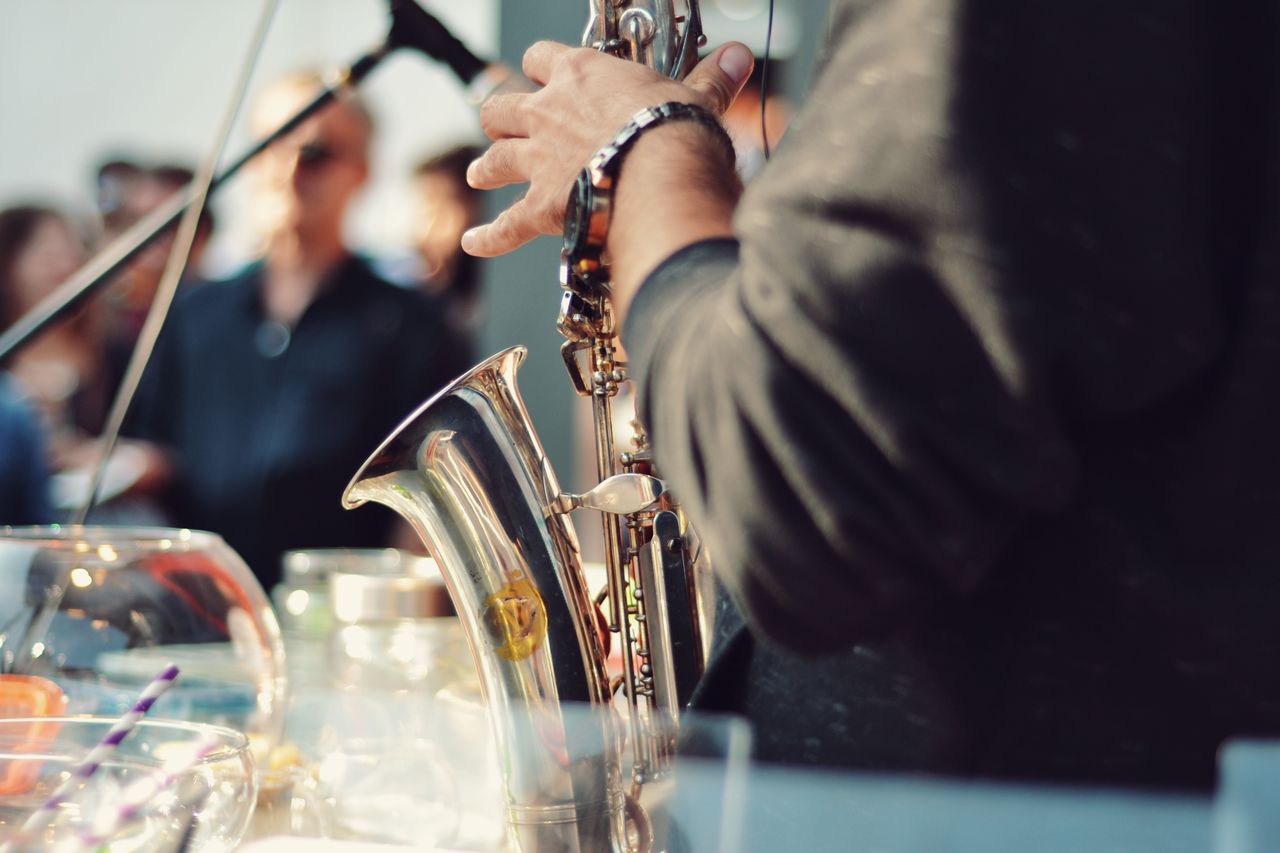
There is something wonderfully cinematic about hearing a saxophone while rain hits cobblestones outside.
Mexico City offers numerous venues where music becomes an experience rather than entertainment. Some feature classic standards. Others embrace contemporary experimentation.
The audience is equally eclectic.
Architects. Journalists. Film directors. Entrepreneurs. Visitors from Tokyo, London, and São Paulo. Young musicians sitting beside retired academics.
Nobody seems concerned about appearances.
Everyone is simply listening.
And that changes everything.
Hidden Bars and Jazz in Polanco
Polanco has evolved far beyond its reputation as a district of luxury boutiques and celebrated restaurants.
At night, another side emerges.
Its tree-lined streets become quieter. Buildings designed by modernist architects take on new character under soft lighting. Chauffeurs wait outside restaurants. Couples stroll after dinner. Conversations continue inside discreet cocktail lounges tucked between residential facades.
A Neighborhood That Understands Sophisticated Evenings
Polanco’s greatest luxury may be proximity.
Within minutes, one can move from a world-class tasting menu to a hidden bar serving perfectly balanced martinis. Then perhaps to a jazz performance that begins unexpectedly late. Afterwards, the night extends over espresso or mezcal with no particular agenda.
This fluidity defines contemporary urban sophistication.
Not abundance.
Not extravagance.
But access to experiences that feel natural and deeply personal.
For guests of OLIVER Luxury Experiences, this rhythm becomes part of daily life. The property itself reflects the same sensibility. Less hotel, more private residence. Less itinerary, more invitation.
A cultural gateway rather than merely accommodation.
Architecture Sets the Mood
Atmosphere matters.
Mexico City possesses an extraordinary ability to create intimacy through architecture. Art Deco buildings coexist with contemporary interventions. Courtyards absorb noise. Stone walls and wooden details soften the urban scale.
Many hidden bars occupy spaces that reveal fragments of the city’s past.
Old houses. Former workshops. Mid-century residences transformed into elegant lounges.
Their beauty lies not in perfection but in character.
Even silence becomes part of the design.
Light, Texture, and Sound
The best evenings unfold almost unconsciously.
The amber glow of a lamp.
A leather banquette worn gracefully by time.
Ice cracking in crystal.
Trumpet notes floating between conversations.
These sensory details explain why certain places remain unforgettable. They cannot be photographed adequately. They must be experienced.
Mexico City excels at creating precisely this kind of memory.
Conversations That End Late
Perhaps that is why people keep returning.
Not because they remember every cocktail.
Not because they can name every song.
But because they remember how they felt.
Mexico City encourages a rare form of social intimacy. Strangers become acquaintances. Acquaintances become friends. Ideas emerge unexpectedly.
Great cities often reveal themselves through monuments.
Mexico City reveals itself through conversations.
And conversations require time.
A city that still allows them feels increasingly precious.
The Luxury of Intellectual Nightlife
Around the world, travelers are redefining what luxury means.
It no longer revolves around accumulation. Instead, it centers on access. Authenticity. Emotional richness.
A jazz performance heard from the back table.
An impromptu discussion about architecture with someone you just met.
A hidden room where nobody checks the time.
These experiences resist algorithms.
They belong entirely to the moment.
And Mexico City, with its endless cultural layers and instinct for hospitality, offers them generously.
A City Best Understood Slowly
There are cities that impress immediately.
Mexico City seduces gradually.
Its secrets emerge after midnight. In whispers rather than declarations. Through music, design, gastronomy, and conversations that drift effortlessly into the early hours.
One evening becomes another.
One story leads to the next.
Eventually, the city feels less like a destination and more like a relationship.
And perhaps that is why guests who stay in Polanco often discover that their most memorable experiences were never planned.
They simply happened.
A hidden bar. A jazz trio. A stranger with remarkable stories.
And conversations that ended very, very late.
Leave a Reply