
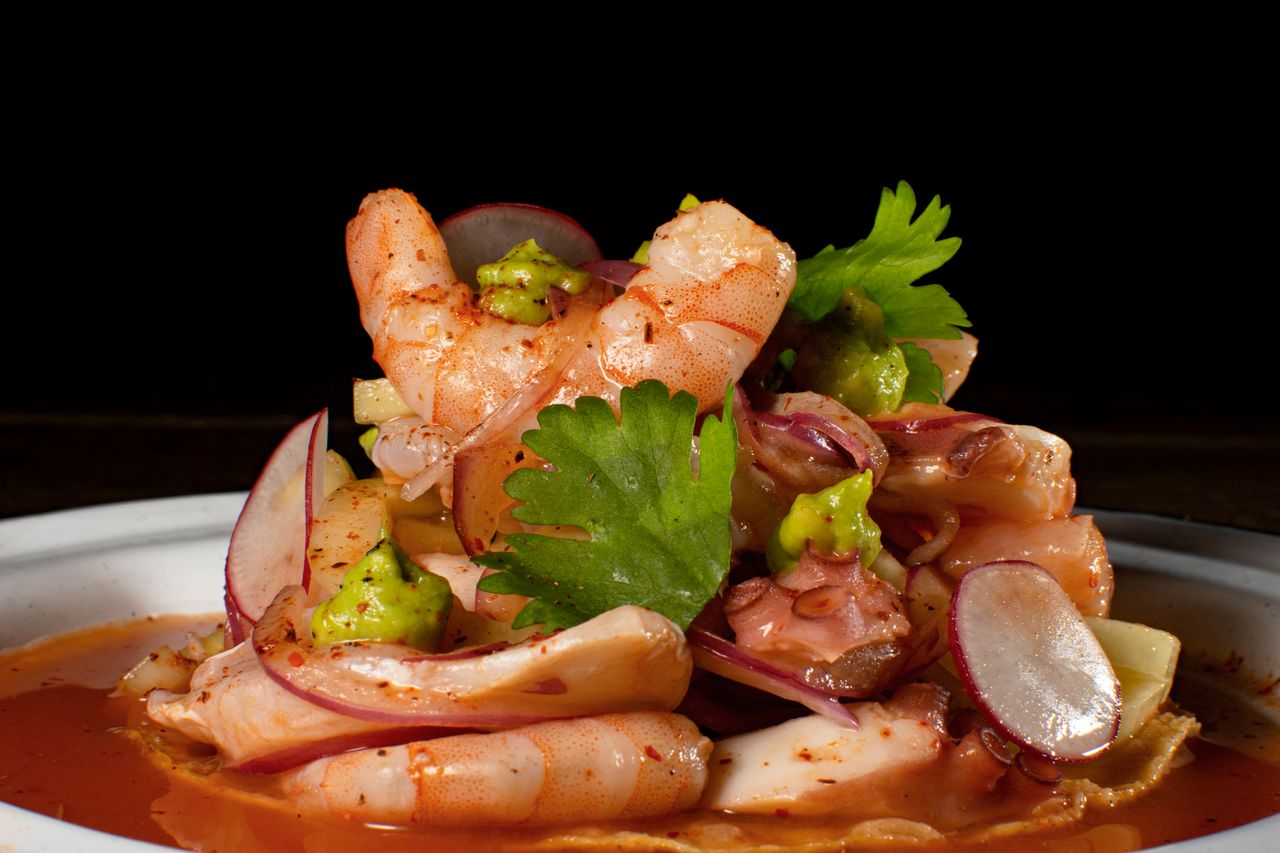
Mexico City has always known how to eat. Yet something remarkable has happened over the past two decades. The city’s culinary identity has evolved from a story of preservation into one of reinvention, and nowhere is this transformation more visible than in Polanco and the New Mexican Gastronomic Sophistication. Here, gastronomy is no longer merely a reflection of tradition. It has become a language through which contemporary Mexico expresses confidence, creativity, and cultural maturity.
This is not a neighborhood obsessed with novelty. Quite the opposite. Polanco’s dining culture reveals what happens when a society becomes comfortable enough with its heritage to reinterpret it without anxiety. The result is a gastronomic landscape that feels distinctly Mexican while remaining deeply connected to the global conversation about food, design, sustainability, and urban culture.
The experience begins long before the first course arrives.
A Neighborhood Built for Cultural Appetite
Polanco has always occupied a unique place within Mexico City’s urban imagination. Its tree-lined avenues, modernist residences, embassies, galleries, and luxury boutiques create an environment where culture and commerce coexist with unusual ease.
Unlike many celebrated culinary districts around the world, Polanco did not emerge from bohemian improvisation. It developed through deliberate urban planning and architectural ambition. Wide sidewalks encourage walking. Public spaces invite observation. The neighborhood rewards curiosity.
This physical environment matters.
Great gastronomy rarely exists in isolation. It flourishes within ecosystems of design, art, conversation, and intellectual exchange. In Polanco, a lunch reservation often becomes an afternoon at a museum, a gallery visit evolves into cocktails, and a dinner stretches naturally into midnight discussions about architecture, politics, or literature.
Food here feels connected to the larger rhythm of city life.
That rhythm defines contemporary luxury more effectively than any tasting menu ever could.
The New Mexican Gastronomic Sophistication as Cultural Expression
For decades, international perceptions of Mexican cuisine often focused on authenticity as preservation. The highest compliment was that a recipe remained unchanged.
Today, a different narrative is emerging.
The new generation of Mexican chefs approaches tradition not as a museum artifact but as living material. Ancient ingredients share space with modern techniques. Regional recipes become starting points for experimentation. Indigenous knowledge receives recognition not as nostalgia but as innovation.
The shift reflects broader cultural changes throughout Mexico.
Contemporary Mexican architecture no longer imitates European models. Mexican art confidently occupies international museums. Mexican fashion increasingly defines its own aesthetic language. Gastronomy follows the same trajectory.
In Polanco, this evolution becomes visible through restaurants that celebrate complexity rather than stereotypes.
A mole may contain centuries of history. It may also contain a chef’s personal interpretation of migration, memory, and geography. A simple tortilla can become an exploration of biodiversity, agricultural preservation, and craftsmanship.
The food tells stories, but never in obvious ways.
Polanco and the New Mexican Gastronomic Sophistication: Beyond Fine Dining
The global media often associates Polanco with award-winning restaurants and internationally recognized chefs. Those institutions deserve attention. Yet the neighborhood’s true gastronomic sophistication extends far beyond formal dining rooms.
It exists in specialty coffee shops where baristas discuss Mexican terroir with the precision of sommeliers.
Also it appears in bakeries where French techniques meet local ingredients.
It thrives in intimate wine bars exploring Mexican viticulture with newfound confidence.
Even casual lunch spots reveal a deeper understanding of ingredient quality, seasonality, and craftsmanship.
This broader ecosystem matters because sophistication is not defined by exclusivity. It emerges from collective standards.
In cities with mature food cultures, excellence becomes democratic. Expectations rise across every category. Polanco increasingly demonstrates this phenomenon.
The neighborhood has become a place where people discuss fermentation, sustainability, heritage corn, natural wines, and regional sourcing with surprising fluency. Food is no longer merely consumed. It is considered.
The distinction is subtle but significant.
Design on the Plate, Design in the City
There is another reason Polanco occupies a central role in Mexico’s culinary evolution.
The neighborhood understands aesthetics.
Not superficial aesthetics. Integrated aesthetics.
Many of the city’s most compelling restaurants operate inside spaces where architecture, lighting, materials, and gastronomy form a coherent experience. Concrete, wood, stone, brass, textiles, and vegetation become part of the narrative.
The influence of contemporary Mexican design appears everywhere.
Dining rooms feel calm rather than theatrical. Interiors emphasize texture over decoration. Craft traditions coexist with minimalist sensibilities.
The result mirrors broader trends within Mexican architecture, where emotional warmth often replaces excessive ornamentation.
Guests may not consciously analyze these details. They simply feel them.
A beautifully designed space changes the perception of time. Conversations become slower. Meals become longer. Attention deepens.
In this sense, gastronomy and architecture pursue the same objective: creating meaningful experiences through thoughtful composition.
The Global City, Reimagined Through Local Ingredients
Mexico City increasingly belongs to a small group of global capitals that influence how the world thinks about food.
Yet what makes the city distinctive is its refusal to abandon local identity.
In Polanco, international influences arrive not as replacements but as collaborators. Japanese precision, French technique, Mediterranean sensibilities, and Nordic approaches to sustainability interact with ingredients rooted in Mexican soil.
This dialogue feels particularly relevant in a city shaped by centuries of cultural exchange.
Mexico has always absorbed external influences and transformed them into something uniquely its own. Contemporary gastronomy simply continues that historical pattern.
The best meals in Polanco rarely feel international or local.
They feel both.
A dish may reference Oaxaca, Tokyo, Copenhagen, and Veracruz simultaneously while remaining unmistakably Mexican. Such complexity reflects the reality of modern urban life.
Identity today is layered.
The city understands this intuitively.
Luxury as Curiosity
Perhaps the most compelling aspect of Polanco’s culinary culture is that it challenges traditional definitions of luxury.
Luxury here is not measured by rarity alone.
It emerges through access to knowledge, craftsmanship, and perspective.
A memorable dining experience may involve an unfamiliar ingredient cultivated by a small producer. It may involve learning about regional agricultural traditions. It may involve discovering how indigenous techniques continue to influence contemporary cooking.
The value lies in understanding.
This philosophy resonates deeply with travelers who seek experiences rather than status symbols. Executives, diplomats, collectors, and culturally curious visitors increasingly arrive in Mexico City searching for substance.
They find it at the table.
Food becomes an entry point into larger conversations about history, migration, biodiversity, design, and identity.
In this context, gastronomy functions less as entertainment and more as cultural exploration.
A Gateway to Understanding Mexico City
To understand contemporary Mexico City, one must understand its appetite.
Not simply its appetite for food, but its appetite for ideas.
Polanco offers a particularly revealing lens through which to observe this phenomenon. Here, culinary excellence intersects with architecture, art, urbanism, and cultural confidence. The neighborhood demonstrates how modern Mexico engages with its heritage while embracing the future.
For guests staying at OLIVER Luxury Experiences, this proximity becomes especially meaningful. Located in the heart of Polanco, OLIVER serves not merely as accommodation but as a gateway into the intellectual and sensory life of the city.
The most memorable journeys rarely follow itineraries.
They unfold through conversations, unexpected discoveries, and moments of genuine connection.
A remarkable meal often begins that process.
And in Polanco, it frequently leads somewhere larger than gastronomy itself.
It leads toward a deeper understanding of Mexico City—a metropolis that continues to reinvent itself while remaining profoundly connected to its roots. A city where sophistication does not erase authenticity but enriches it. A city where every table, like every street, reveals another layer of a story still being written.
Leave a Reply