
Discover Mexico City through its hidden layers, evolving identities, and endless capacity for surprise.
Mexico City resists simple definitions. Every attempt to summarize it feels incomplete. Every visit uncovers something unexpected. To truly Discover Mexico City is not to check landmarks off a list. It is to enter a living conversation between centuries, cultures, ideas, and ambitions.
This is a city that rarely presents itself all at once.
Its beauty often emerges gradually. A quiet courtyard hidden behind a stone façade. A gallery occupying a former warehouse. A neighborhood café where architects, writers, and entrepreneurs gather before the city fully awakens. The experience unfolds layer by layer, revealing a complexity that rewards curiosity.
Unlike cities that offer a singular identity, Mexico City thrives through contradiction. Ancient and futuristic. Chaotic and composed. Monumental and intimate. Every district tells a different story, yet together they form one of the world’s most compelling cultural capitals.
For those willing to wander beyond expectations, the city becomes an endless act of discovery.
Discover Mexico City Through Its Layers of Time
Few cities in the world embody history as visibly as Mexico City.
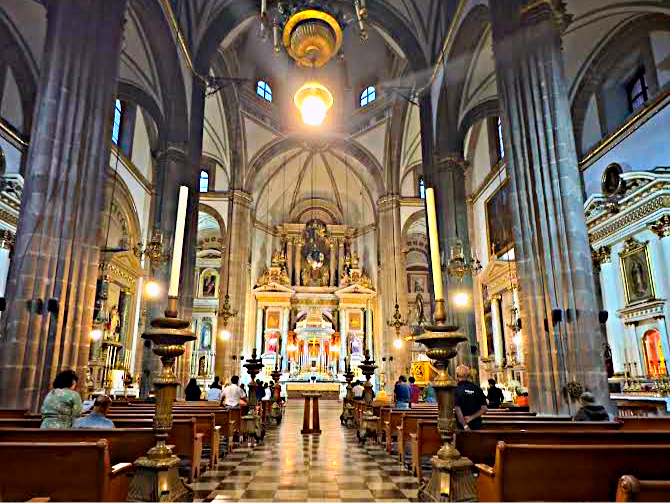
The modern metropolis stands upon the foundations of the ancient Mexica capital of Tenochtitlan, one of the most sophisticated urban centers of the pre-Hispanic world. Centuries later, colonial plazas, Art Deco buildings, mid-century modern masterpieces, and contemporary architectural statements coexist within the same urban fabric.
Walking through the city often feels like moving across multiple eras simultaneously.
A morning may begin among the grand avenues of Polanco. By afternoon, you find yourself surrounded by centuries-old stonework in the Historic Center. Before sunset, contemporary glass towers reflect golden light across Paseo de la Reforma.
The transitions feel natural rather than abrupt.
Mexico City never erases its past. Instead, it absorbs new identities while allowing previous chapters to remain visible. The result is an urban landscape that rewards observation and invites reflection.
For travelers interested in architecture in Mexico City, the city offers an extraordinary lesson in how civilizations build upon one another without fully disappearing.
A Capital Built on Reinvention
Cities often celebrate permanence. Mexico City celebrates transformation.
Earthquakes, political movements, artistic revolutions, migration, and innovation have continuously reshaped its identity. Yet every change adds depth rather than dilution.
This spirit of reinvention remains one of the city’s defining characteristics.
New restaurants emerge beside historic cantinas. Independent galleries appear within industrial spaces. Young designers reinterpret traditional craftsmanship for contemporary audiences.
The city evolves constantly without losing its soul.
The Art of Paying Attention
Mexico City rewards those who slow down.
Many destinations reveal themselves immediately. Mexico City prefers subtlety.
Its most memorable moments often arrive unexpectedly. A hidden mural glimpsed through an open doorway. A jazz performance heard from an upstairs apartment. The scent of freshly baked pan dulce drifting across a quiet street at dawn.
The city teaches visitors a different rhythm of travel.
Rather than rushing between attractions, it encourages observation. Looking upward at architectural details. Listening to conversations in public parks. Noticing how afternoon light transforms historic facades.
These small encounters often become the experiences people remember most vividly.
Polanco as a Window into Contemporary Mexico
Few neighborhoods reflect this dynamic better than Polanco.
Often recognized for its sophistication, the district also serves as a cultural crossroads where design, gastronomy, fashion, and contemporary urban life intersect. Tree-lined streets lead to galleries, independent boutiques, remarkable restaurants, and public spaces that invite exploration.
For guests seeking luxury stays in Polanco, the neighborhood offers more than convenience. It provides access to one of the city’s most vibrant intellectual and creative ecosystems.
Here, luxury feels connected to culture rather than separated from it.
A Gastronomic Capital in Constant Motion
Food provides one of the most compelling ways to discover the city.
Mexico City’s culinary identity extends far beyond any single tradition. Indigenous ingredients, regional influences, immigrant communities, contemporary experimentation, and centuries of cultural exchange converge across its dining landscape.
The result is extraordinary diversity.
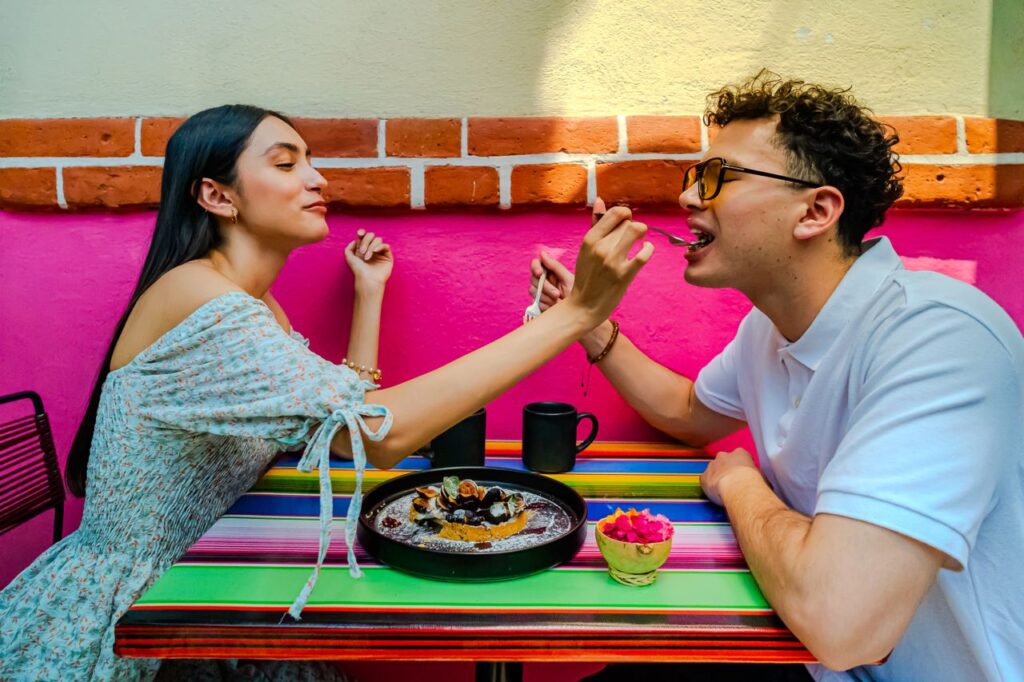
A single day might include a traditional breakfast rooted in generations of family recipes, lunch at a contemporary bistro led by internationally recognized chefs, and an evening tasting menu that reimagines Mexican cuisine through modern techniques.
Yet sophistication in Mexico City rarely depends on exclusivity.
Some of the city’s most memorable meals emerge from modest settings where craftsmanship, heritage, and flavor take precedence over spectacle.
This balance between refinement and authenticity defines much of the city’s culinary appeal.
Those interested in Mexico City gastronomy quickly discover that dining here becomes an exploration of culture itself.
Markets as Cultural Institutions
To understand the city’s relationship with food, visit its markets.
They function as social spaces, cultural archives, and living expressions of regional identity. Ingredients from across the country arrive daily, connecting urban life with landscapes hundreds of miles away.
Markets reveal Mexico City’s extraordinary capacity to gather diverse traditions into a single shared experience.
They are among the city’s most revealing classrooms.
Creativity as Daily Life
In many cities, art occupies designated spaces.
In Mexico City, creativity often feels embedded within everyday life.
Public art appears unexpectedly. Design influences hospitality, retail, and urban planning. Museums operate not as isolated institutions but as active participants in civic culture.
The city’s creative energy extends far beyond established cultural venues.
Independent publishers, experimental galleries, contemporary artisans, filmmakers, architects, and designers continuously contribute new perspectives. Their work shapes the city’s identity as much as its historic monuments.
This ongoing dialogue between tradition and innovation makes Mexico City particularly compelling for culturally curious travelers.
For those exploring art and museums in Polanco or seeking broader cultural experiences in Mexico City, the city offers nearly limitless possibilities.
Yet perhaps its greatest cultural asset remains its openness to reinvention.
Every generation leaves its mark.
The Luxury of Endless Discovery
The most remarkable cities never feel fully known.
Mexico City belongs firmly within that category.
Even residents who have spent decades here continue to encounter unfamiliar streets, unexpected conversations, and new perspectives. The city resists completion. There is always another layer waiting beneath the surface.
Perhaps that explains its enduring appeal.
Travel often seeks certainty. Mexico City offers possibility.
It invites visitors to remain curious. To embrace complexity. and appreciate nuance rather than simplicity. To understand that discovery does not end after a single visit.
It merely deepens.
For guests of OLIVER Luxury Experiences, this relationship with the city becomes part of the journey itself. Beyond comfort, beyond design, beyond location lies something more valuable: access to a city that continues to reveal itself in ways both intimate and profound.
And that may be the greatest luxury of all.
A city that always leaves something undiscovered, that invites you back, that never stops revealing itself.
Leave a Reply