
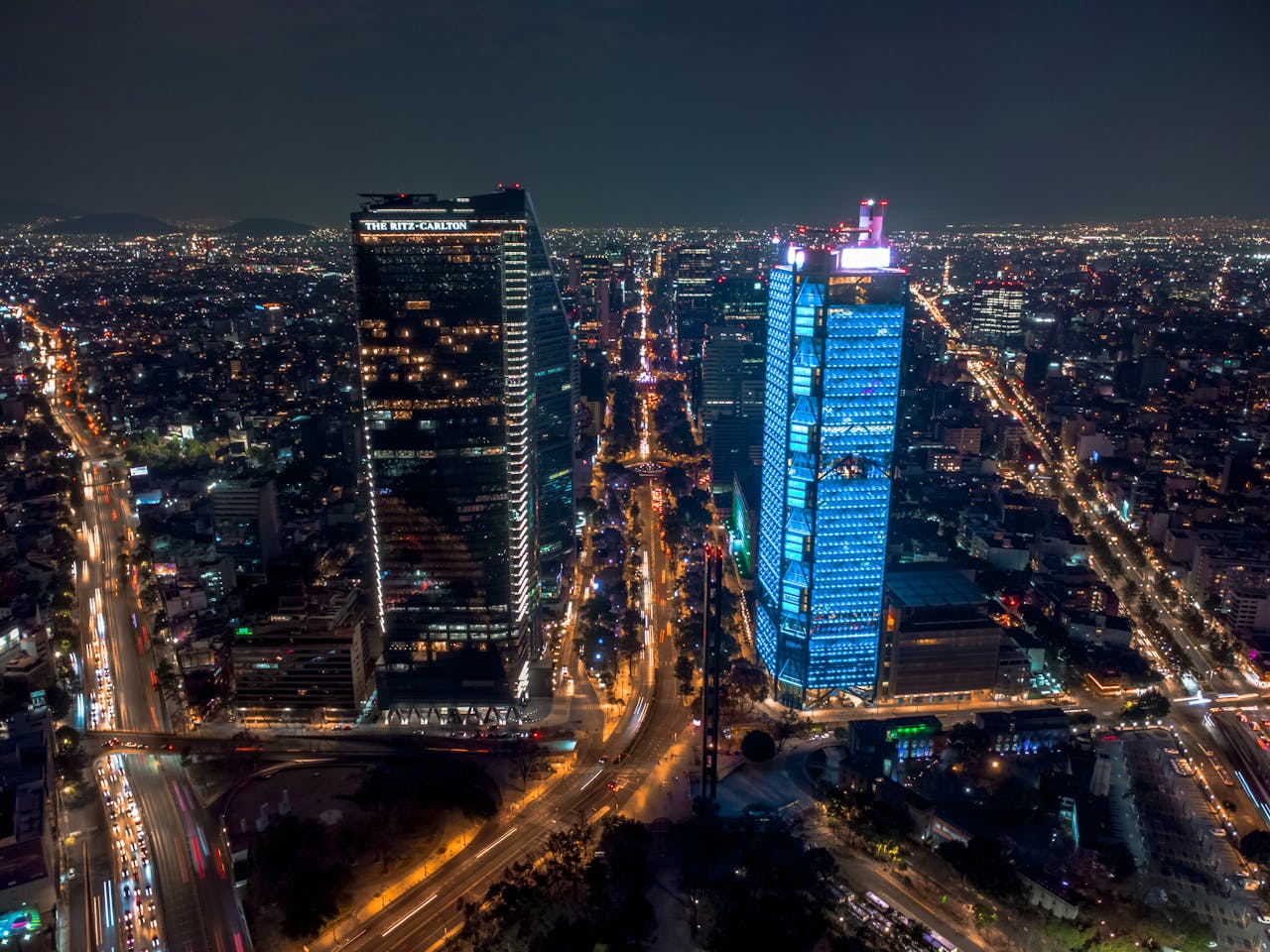
Mexico City, a Place of Wonder Wrapped in Beautiful Disorder
There are cities that seek approval. They polish their surfaces, soften their contradictions, and curate themselves carefully for the gaze of outsiders. Then there is Mexico City — restless, layered, unapologetically alive.
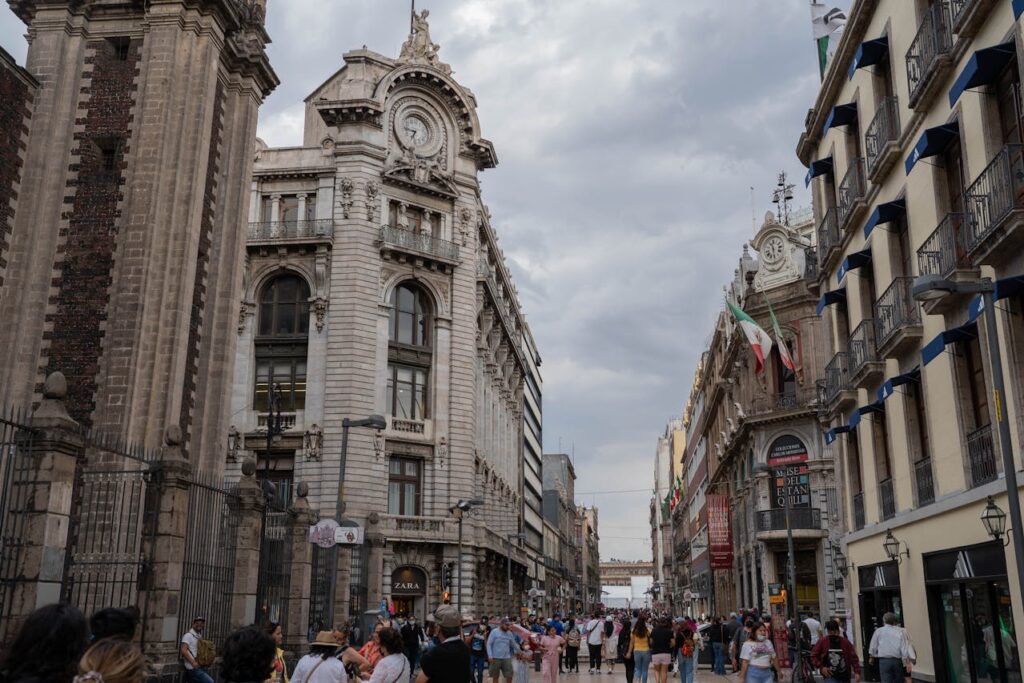
To experience Mexico City a place of wonder is to surrender to its rhythm rather than attempt to organize it. The city does not unfold neatly. It collides. Colonial facades stand beside brutalist towers. Jacaranda blossoms drift onto avenues clogged with impatient traffic. A taco stand glows beneath the shadow of a museum-worthy residence in Polanco. Somewhere, a violinist performs inside a centuries-old courtyard while electronic music pulses from a hidden rooftop nearby.
None of it asks permission to coexist.
This is precisely what makes the Mexican capital magnetic. Not perfection. Not symmetry. But the elegance hidden inside its chaos — a sophistication born from tension, reinvention, and cultural confidence.
For travelers drawn to emotional atmosphere rather than spectacle, the city reveals itself slowly. Morning espresso in Polanco becomes an architectural pilgrimage through Roma Norte. Lunch evolves into a conversation about design, memory, migration, or art. Even silence feels layered here.
Mexico City does not attempt to impress. It simply exists with extraordinary intensity.
And that may be the ultimate luxury.
A Capital Built on Contradiction
The Weight of History Beneath Modern Skin
Few cities carry history with such visible density. Beneath the asphalt and contemporary glass lies the memory of Spanish conquest of the Aztec Empire, the grandeur of Templo Mayor, and the ghostly traces of the ancient lakes that once defined the Valley of Mexico.
Yet Mexico City resists nostalgia.
Its genius lies in its refusal to remain trapped inside any singular identity. The city reinvents itself constantly while allowing its past to remain visible. A former aristocratic mansion becomes a gallery. A mid-century apartment transforms into a discreet wine bar. Indigenous ingredients shape avant-garde tasting menus. Old and new negotiate space every day.
This negotiation creates a rare urban energy. One senses it while walking through Polanco’s restrained modernism or inside the textured calm of neighborhoods where concrete, volcanic stone, wood, and greenery form a distinctly Mexican interpretation of contemporary luxury.
For visitors seeking deeper immersion, this evolving dialogue between history and modernity defines many of the city’s most meaningful experiences — from exploring [architecture in Mexico City] to discovering [cultural experiences in Mexico City].
The Architecture of Emotional Density
Why the City Feels Cinematic
Some cities impress visually. Mexico City moves emotionally.
Its beauty rarely arrives in obvious ways. It emerges through atmosphere: filtered afternoon light across travertine walls, the scent of rain on volcanic stone, the sound of distant sirens blending with birdsong in tree-lined avenues.
Architecturally, the city thrives on juxtaposition. The disciplined geometry of Casa Pedregal contrasts with the emotional warmth of traditional courtyards. The legacy of Luis Barragán still shapes the city’s visual language — restraint softened by texture, silence interrupted by color, intimacy elevated to art.
Even Polanco, often associated with refinement and diplomacy, resists sterility. Its broad avenues conceal hidden gardens, independent galleries, intimate cocktail lounges, and residential corners where time appears suspended.
This layered intimacy explains why Mexico City a place of wonder continues to attract artists, architects, writers, filmmakers, and chefs from around the world. The city rewards curiosity rather than consumption.
To stay here properly is not simply to sleep well. It is to participate in the city’s emotional architecture.
That distinction matters.
Gastronomy as Cultural Memory
A City That Eats With Intelligence
In many global capitals, fine dining often drifts toward performance. In Mexico City, food remains deeply personal.
A tasting menu can reference migration, indigenous agriculture, political history, or regional memory with astonishing subtlety. Luxury here is not excess. It is depth. Precision. Narrative.
This cultural intelligence defines the city’s gastronomic identity.
Inside acclaimed dining rooms in Polanco, chefs reinterpret centuries-old traditions with contemporary elegance. Elsewhere, humble street corners continue serving recipes perfected over generations. Both experiences belong equally to the city’s culinary ecosystem.
The result is one of the world’s most dynamic food cultures — sophisticated without becoming detached from its origins.
For travelers exploring [Mexico City gastronomy], the experience often becomes unexpectedly emotional. A perfectly balanced mole can feel as intellectually rich as an exhibition. A late-night taco eaten beneath neon light can carry more authenticity than an elaborate tasting menu elsewhere in the world.
The city understands something many luxury destinations forget: refinement and humanity are not opposites.
Art, Design, and the Beauty of Friction
Creativity Thrives Where Order Breaks
Mexico City’s creative energy emerges precisely because the city refuses rigidity.
There is friction here. Noise. Contradiction. Density.
And from that density comes extraordinary artistic vitality.
Within a single afternoon, one can move from the monumental collections of Museo Jumex to the emotional intimacy of Museo Casa Estudio Diego Rivera y Frida Kahlo. Independent bookstores coexist beside conceptual design studios. Fashion moves fluidly between understated tailoring and radical experimentation.
The city encourages cultural cross-pollination. Architects dine with filmmakers. Photographers collaborate with chefs. Artists transform forgotten industrial spaces into temporary cultural laboratories.
This ecosystem gives Mexico City a rare global relevance. It no longer functions merely as a destination to visit. It operates as a cultural capital that shapes conversations around design, gastronomy, art, architecture, and contemporary Latin American identity.
For guests interested in [art and museums in Polanco], the experience extends beyond institutions themselves. Creativity lives in conversations, interiors, textures, and encounters.
The city rewards those willing to look carefully.
Polanco and the Quiet Luxury of Belonging
The New Definition of Sophistication
Luxury in modern Mexico City rarely announces itself loudly.
It exists in privacy. In discretion. In emotional intelligence.
This sensibility defines Polanco — a neighborhood where diplomatic calm intersects with cultural sophistication. Here, elegance feels lived-in rather than staged. Morning rituals unfold slowly. Galleries remain intimate. Restaurants prioritize atmosphere over spectacle. Architecture frames silence as carefully as it frames light.
Within this environment, hospitality acquires new meaning.
The finest urban retreats no longer function as isolated bubbles disconnected from the city around them. Instead, they operate as gateways into the cultural ecosystem itself — offering intimacy while remaining deeply rooted in the surrounding rhythm of Mexico City.
This is why [luxury stays in Polanco] increasingly attract travelers seeking something more nuanced than traditional luxury tourism. They seek immersion without chaos. Access without exposure. Refinement without artificiality.
They seek a relationship with the city rather than a performance of it.
And Mexico City, in all its beautiful disorder, responds generously to those who arrive with curiosity instead of expectation.
Conclusion: The City That Refuses Simplification
To understand Mexico City requires accepting contradiction.
It is elegant yet unruly. Ancient yet radically contemporary. Exhausting yet deeply seductive. It overwhelms before it reveals itself.
But perhaps that is why the city lingers so powerfully in memory.
Mexico City never asks permission because it does not need validation. Its confidence comes from centuries of cultural layering, artistic reinvention, intellectual vitality, and emotional complexity. The city does not simplify itself for comfort. It asks visitors to rise to its level instead.
And for those willing to engage fully, the reward is profound.
Not merely a destination visited, but a city felt.
A place where chaos becomes beauty.
Where sophistication feels human.
A place of wonder.
Leave a Reply