
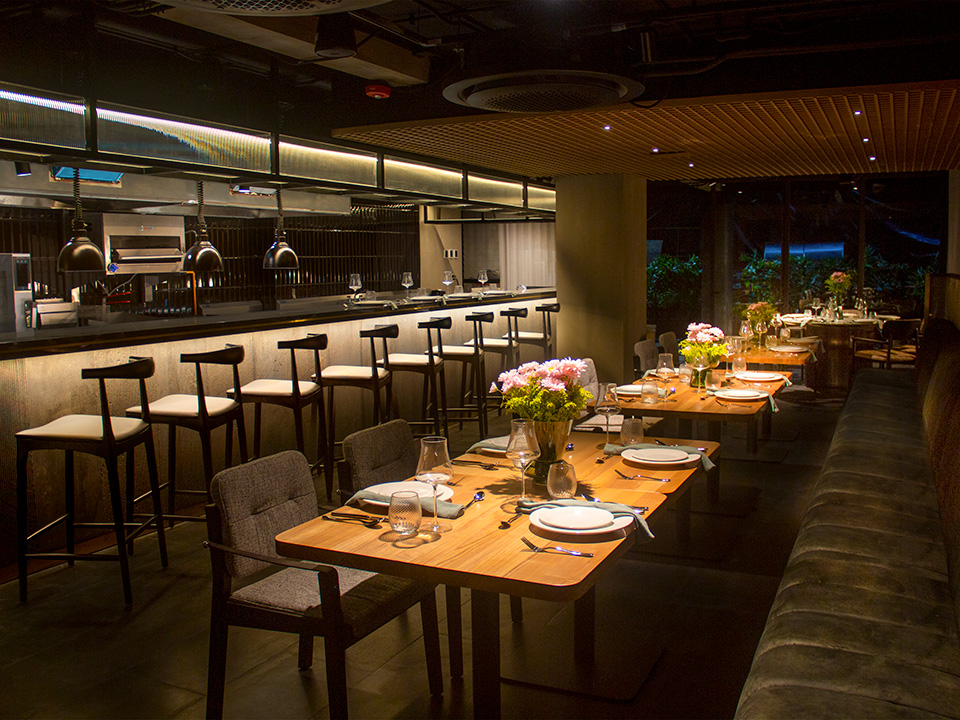
Why Boutique Hotels Create Better Travel Memories Than Large Luxury Chains
Travel memories are rarely defined by thread counts or marble lobbies. They are shaped by conversations over breakfast, the recommendation that leads to an unforgettable gallery, the familiar greeting when you return after an evening walk, and the feeling that a place understands both its city and its guests. Why choose boutique hotels is a question many travelers ask before visiting Mexico City, especially when deciding how they want to experience one of the world’s most layered urban destinations. The answer often has less to do with luxury itself than with the quality of human connection, the rhythm of a neighborhood, and the perspective from which a city is discovered.
Luxury Is No Longer Measured by Scale
For decades, international luxury was associated with grand hotels offering hundreds of rooms, standardized services, and recognizable brands. While these properties continue to appeal to many travelers, expectations have evolved.
Today’s sophisticated traveler often values individuality over uniformity. Rather than seeking the reassurance of familiarity, they look for accommodation that reflects the character of its surroundings. A boutique hotel becomes part of the destination rather than a self-contained world apart from it.
This shift is particularly meaningful in Mexico City, where every neighborhood tells a different story through architecture, gastronomy, public spaces, and local culture.
Why Choosing the Right Neighborhood Matters More Than the Hotel Size
Mexico City is not experienced from a single landmark. It unfolds district by district, each offering a distinct atmosphere that influences how visitors spend their days.
Walking to a neighborhood café instead of taking a taxi across town changes the pace of travel. Being able to visit galleries, restaurants, parks, and boutiques on foot creates opportunities for spontaneous discoveries that rarely appear on itineraries.
The best accommodation is therefore not simply comfortable—it is thoughtfully located.
A boutique hotel integrated into its neighborhood allows guests to become temporary residents instead of passing observers.
Understanding Mexico City’s Many Personalities
One of Mexico City’s greatest strengths is its diversity.
Centro Histórico offers centuries of history, monumental civic architecture, and cultural institutions that reveal the city’s colonial foundations.
Roma Norte attracts visitors interested in independent design studios, contemporary art, creative cafés, and restored early twentieth-century buildings.
Condesa invites slower mornings beneath tree-lined streets where Art Deco residences coexist with neighborhood bakeries, bookstores, and green parks.
Along Paseo de la Reforma, business districts meet museums, corporate headquarters, and major cultural events, creating a dynamic urban corridor.
Then there is Polanco—a neighborhood that balances residential tranquility with exceptional access to architecture, museums, refined dining, luxury retail, and one of the largest urban parks in the world.
Each district rewards a different style of traveler.
Why Sophisticated Travelers Often Choose Polanco
Architecture, culture, and everyday elegance
Polanco offers something increasingly valuable in major cities: balance.
Its streets encourage walking without sacrificing convenience. Contemporary residential buildings stand beside mid-century architecture, carefully maintained parks, independent galleries, and internationally respected restaurants.
The proximity to Bosque de Chapultepec allows visitors to begin the day surrounded by nature before exploring museums, including several of the city’s most important cultural institutions.
Nearby, Avenida Presidente Masaryk presents an elegant streetscape where architecture and retail coexist without overwhelming the neighborhood’s residential character.
Around Lincoln Park, cafés, public art, and shaded benches invite a slower pace rarely associated with one of Latin America’s largest capitals.
For travelers who appreciate thoughtful design, excellent dining, and urban sophistication, Polanco often feels less like a tourist district and more like an authentic extension of daily life.
Boutique Hospitality Creates a Different Relationship with the City
Large luxury hotels excel at operational consistency.
Boutique hotels, however, often excel at something less measurable: memory.
With fewer rooms comes greater familiarity. Staff recognize returning guests. Recommendations become personal rather than generic. Breakfast feels less transactional. The concierge understands individual interests instead of following a standard script.
For photographers, architects, designers, collectors, and travelers who enjoy cultural exploration, these subtle interactions frequently become the moments remembered long after returning home.
Boutique hospitality also encourages a slower rhythm.
Instead of moving anonymously through expansive public spaces, guests develop a genuine relationship with both the property and the neighborhood surrounding it.
The hotel becomes an introduction to the city rather than a destination isolated from it.
Matching Your Travel Style to the Right Neighborhood
Every first visit to Mexico City is different.
Choose Centro Histórico if…
You are fascinated by history, monumental architecture, museums, and cultural landmarks, and you enjoy spending full days exploring on foot.
Choose Roma Norte if…
Independent cafés, creative studios, contemporary galleries, and local nightlife are central to your itinerary.
Choose Condesa if…
You appreciate leafy avenues, relaxed mornings, boutique shopping, and neighborhood living with a residential atmosphere.
Choose Reforma if…
Your visit revolves around business meetings, conferences, government institutions, or quick access across different parts of the city.
Choose Polanco if…
You seek an experience that combines culture, exceptional gastronomy, refined shopping, contemporary architecture, green spaces, and walkability without compromising comfort or tranquility.
For many travelers balancing leisure with business—or art museums with memorable dining—Polanco offers one of the city’s most complete experiences.
Why Boutique Hotels Leave Lasting Memories
The difference between a memorable journey and an efficient one often lies in details impossible to standardize.
A recommendation for an overlooked gallery after learning your interest in architecture.
Remembering how you take your morning coffee.
Suggesting an evening walk through Chapultepec as golden light settles across the trees.
Sharing the story behind a local designer featured in the hotel’s interiors.
These experiences emerge naturally in smaller properties where hospitality is rooted in attentiveness rather than procedure.
In a city as multifaceted as Mexico City, the place where you stay becomes part of the narrative itself. Boutique hotels invite guests to participate in local life instead of observing it from a distance.
Conclusion
Choosing accommodation is ultimately a decision about perspective.
Every neighborhood reveals a different version of Mexico City, from the historic grandeur of Centro Histórico to the creative energy of Roma Norte, the residential charm of Condesa, the metropolitan pace of Reforma, and the cultural refinement of Polanco.
Likewise, every hotel shapes the journey in its own way. Large luxury chains offer familiarity and scale, while boutique hotels provide intimacy, local character, and experiences that feel genuinely connected to their surroundings.
For travelers who believe that meaningful journeys are built through architecture, conversation, gastronomy, thoughtful design, and a sense of place, boutique hospitality offers something difficult to replicate: memories rooted not simply in where they stayed, but in how they experienced the city.
Leave a Reply