Mexico City rewards travelers who slow down. A Luxury Tourist Itinerary in Mexico City is not measured by how many museums, restaurants, or landmarks fit into three days, but by how naturally each experience unfolds. The neighborhood you choose becomes the rhythm of your visit: the cafés where mornings begin, the streets you wander without purpose, the architecture that catches your eye between appointments, and the conversations that emerge over dinner. Before selecting an itinerary, selecting the right place to stay is often the most consequential decision.
Why Your Neighborhood Defines Your Experience
Mexico City stretches across an immense urban landscape where each district possesses its own personality. Although the city’s excellent avenues, parks, and cultural institutions make movement relatively easy, staying within a neighborhood that reflects your interests transforms the experience from efficient sightseeing into genuine urban living.
Some visitors seek galleries and contemporary design. Others prioritize historic architecture, gastronomic exploration, or access to business districts. A thoughtful itinerary begins by understanding how these different neighborhoods shape each day.
For travelers with only three days, minimizing unnecessary transportation allows more time for meaningful experiences.
Understanding Mexico City’s Urban Character
Unlike many capital cities organized around a single historic core, Mexico City unfolds through a collection of distinctive neighborhoods, each representing different moments in its architectural and cultural evolution.
The colonial grandeur of the Centro Histórico contrasts with the leafy avenues of Condesa, while the creative energy of Roma Norte offers a different perspective from the elegant residential streets of Polanco. Nearby, Paseo de la Reforma connects many of these districts, serving as one of the city’s principal cultural and financial corridors.
Green spaces also define the city. Bosque de Chapultepec, one of the world’s largest urban parks, offers museums, lakes, walking trails, and cultural landmarks that provide a welcome counterpoint to the city’s urban density.
Understanding these relationships helps visitors create an itinerary that feels balanced rather than rushed.
Day One: Discovering Polanco Through Design, Culture, and Gastronomy
A first morning in Polanco naturally begins on foot.
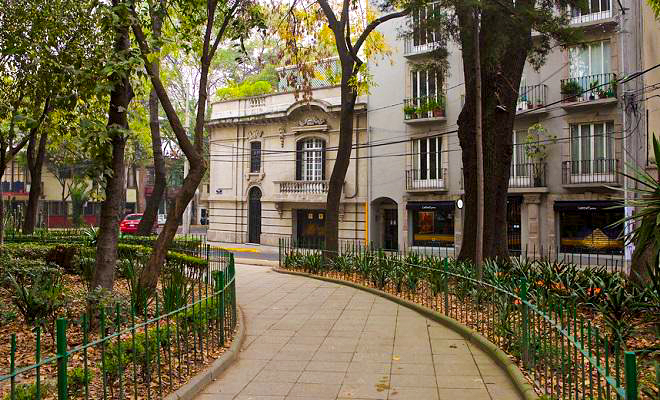
Wide sidewalks, mature trees, and contemporary architecture create an environment where walking becomes part of the experience. Around Lincoln Park, cafés gradually fill with residents, professionals, and travelers beginning their day at an unhurried pace.
From here, Avenida Presidente Masaryk reveals one of the city’s most carefully curated streetscapes, where international fashion houses coexist with Mexican designers, art galleries, and refined restaurants without overwhelming the neighborhood’s residential character.
The afternoon lends itself naturally to nearby cultural institutions. The Museo Soumaya, Museo Jumex, and the vast landscapes of Chapultepec are all easily accessible, allowing visitors to combine contemporary art with one of Latin America’s most significant urban parks.
Dinner becomes less about checking famous restaurants from a list and more about enjoying one of the city’s strongest culinary districts, where both internationally recognized chefs and discreet neighborhood establishments contribute to an exceptional dining scene.
For travelers interested in architecture, photography, design, and contemporary Mexican culture, Polanco offers remarkable coherence.
Discover our Rooms & Suites
Day Two: Roma Norte and Condesa
Condesa and Roma Norte are frequently explored together, yet each possesses its own distinct atmosphere.
Roma Norte
Roma Norte reflects the city’s creative momentum. Restored early twentieth-century buildings house independent bookstores, contemporary galleries, design studios, coffee roasters, and chef-driven restaurants.
Walking these streets reveals an evolving dialogue between historic architecture and contemporary urban life. It appeals particularly to photographers, designers, writers, and travelers who enjoy discovering local businesses through leisurely exploration.
Condesa
Neighboring Condesa introduces a quieter residential rhythm.
Its Art Deco buildings, shaded avenues, and generous public parks encourage long walks and outdoor cafés. Parque México and Parque España serve as neighborhood gathering spaces where daily life unfolds naturally rather than being staged for visitors.
Condesa often attracts travelers seeking a relaxed atmosphere while remaining connected to the city’s cultural scene.
Together, these neighborhoods provide an ideal second day focused on local creativity, independent commerce, and neighborhood life.
Day Three: Centro Histórico and Reforma
Mexico City’s historical layers become most evident in the Centro Histórico.
Colonial architecture, public squares, centuries-old churches, and important civic buildings reveal the city’s origins while contemporary cultural projects continue to reshape the district.
A thoughtful visit may include the Metropolitan Cathedral, the Palacio de Bellas Artes, and nearby museums before continuing toward Paseo de la Reforma.
Reforma represents another face of the capital.
Modern office towers, important monuments, luxury hotels, and cultural venues line one of Mexico’s most recognizable boulevards. On Sundays, portions of the avenue close to traffic, allowing cyclists, runners, and families to experience the city differently.
Together, Centro Histórico and Reforma provide historical context that complements the more residential experiences found elsewhere.
Which Neighborhood Fits Your Travel Style?
Every neighborhood excels at something different.
Choose Polanco if you value:
- Contemporary luxury
- Walkability
- Museums and design
- Fine dining
- Quiet evenings
- Architectural diversity
- Easy access to Chapultepec
Or Choose Roma Norte if you enjoy:
- Independent galleries
- Creative culture
- Boutique cafés
- Local nightlife
- Historic residential streets
You can even choose Condesa if you prefer:
- Green spaces
- Leisurely walks
- Art Deco architecture
- Outdoor dining
- Residential atmosphere
Choose Centro Histórico if your priority is:
- History
- Colonial architecture
- Major landmarks
- Museums
- Cultural heritage
Choose Reforma if your visit combines:
- Business meetings
- Museums
- Monumental avenues
- Convenient transportation
Many experienced travelers ultimately combine these neighborhoods throughout their stay while selecting one as their daily base.
Why Sophisticated Travelers Often Choose Polanco
Luxury today is increasingly defined by quality of experience rather than visible extravagance.
Polanco offers a rare balance between cultural access, architectural interest, culinary excellence, safety, and walkability. Visitors can spend a morning in Chapultepec, an afternoon exploring contemporary galleries, and an evening enjoying exceptional dining without long transfers between destinations.
Equally important, the neighborhood invites slower travel. Streets are pleasant to walk, public spaces encourage lingering, and daily life unfolds with an understated elegance that reflects contemporary Mexico rather than a carefully curated version of it.
For travelers who appreciate thoughtful hospitality, design, and authentic urban experiences, Polanco often becomes less a strategic location than a natural extension of how they prefer to travel.
Experiencing Mexico City Through the Place You Call Home
Three days can never reveal every layer of Mexico City.
What they can offer is a meaningful introduction shaped by the neighborhood you choose to experience first.
Some visitors will remember the grandeur of the historic center. Others will return thinking about cafés in Roma Norte or afternoon walks beneath the trees of Condesa.
Many discover that Polanco provides an unusually complete perspective: contemporary architecture, remarkable gastronomy, cultural institutions, generous green spaces, and the quiet confidence of a neighborhood designed for living rather than simply visiting.
Ultimately, where you stay becomes more than an address. It becomes the lens through which the city is understood.
Leave a Reply