Choosing among the many options for staying in Mexico City is one of the most important decisions a first-time visitor can make. This is not a city experienced through a checklist of attractions, but through its neighborhoods—the rhythm of their mornings, the character of their streets, and the conversations that unfold in cafés, galleries, parks, and restaurants. Where you stay quietly shapes how you come to understand one of the world’s most compelling capitals.
Mexico City rewards curiosity rather than haste. Its districts have distinct personalities, each revealing a different chapter of the city’s architectural, cultural, and social evolution. Some are ideal for leisurely afternoons beneath tree-lined avenues, others for late-night dining or centuries of history. Understanding these differences allows travelers to choose an experience that reflects not only their itinerary but also their personal way of traveling.
Understanding Mexico City’s Many Personalities
Unlike cities organized around a single center, Mexico City is a constellation of neighborhoods, each with its own identity.
Walking from the grandeur of Paseo de la Reforma to the leafy streets of Condesa or the elegant avenues of Polanco can feel like entering entirely different cities. This diversity is precisely what makes the capital so rewarding.
First-time visitors often underestimate travel times across this vast metropolis. Selecting a neighborhood that aligns with personal interests can dramatically improve the pace and quality of a stay, allowing more time to explore on foot and less time navigating traffic.
The best neighborhood is rarely the one with the longest list of attractions. It is the one that complements the traveler’s lifestyle.
Polanco: Contemporary Sophistication and Urban Balance
Among the most refined options for staying in Mexico City, Polanco offers an exceptional balance between culture, gastronomy, architecture, shopping, and green spaces.
Its broad sidewalks encourage walking, while elegant residential streets remain remarkably calm despite being moments away from some of the city’s most celebrated destinations.
Avenida Presidente Masaryk presents international fashion houses alongside independent Mexican designers. Just beyond, Lincoln Park provides a peaceful setting where locals walk their dogs, families gather, and visitors slow their pace before continuing their day.
One of Polanco’s defining advantages is its proximity to Bosque de Chapultepec, one of the largest urban parks in the world. Museums, lakes, sculpture gardens, and historic landmarks can easily fill several days without leaving the area.
Architecturally, Polanco reflects decades of contemporary Mexican design. Modern residential buildings stand beside restored homes from the mid-twentieth century, while thoughtful landscaping softens the urban environment.
Dining also plays a central role in the neighborhood’s identity. From neighborhood bakeries and specialty coffee shops to internationally recognized restaurants, Polanco invites travelers to discover Mexico through its evolving culinary culture rather than through spectacle.
For travelers seeking comfort without isolation, energy without excess, Polanco achieves an uncommon equilibrium.
Roma Norte: Creativity, Character, and Independent Spirit
Roma Norte appeals to travelers drawn toward creativity and local character.
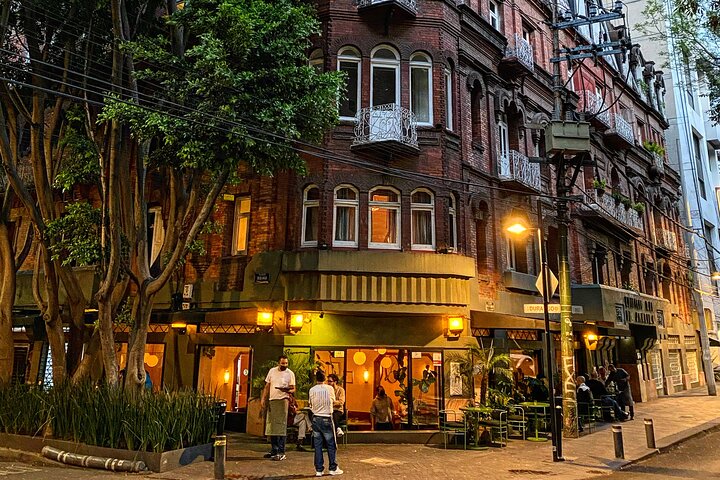
Its streets reveal an architectural tapestry of Art Nouveau, Art Deco, Porfirian mansions, and contemporary interventions. Independent bookstores, design boutiques, galleries, and cafés encourage unhurried exploration.
The neighborhood has become a favorite among photographers, designers, writers, and creative professionals who appreciate places where everyday life unfolds organically.
Restaurants here often emphasize seasonal ingredients, experimental cooking, and intimate dining experiences rather than formality.
Roma rewards wandering. Some of its greatest pleasures are entirely unplanned: discovering a courtyard café, encountering a neighborhood exhibition, or spending an afternoon beneath jacaranda trees during spring.
Accommodation options tend to favor boutique hotels, restored residences, and stylish apartments that reflect the district’s artistic identity.
Condesa: Leisure, Parks, and a Relaxed Urban Rhythm
Condesa offers a softer, more residential interpretation of urban life.
Its curving streets follow the outline of the former horse-racing track that once occupied the district, creating a layout unlike much of the surrounding city.
Large trees provide generous shade throughout the year, while Parque México and Parque España invite long morning walks, afternoon reading, or simply observing daily life.
The neighborhood attracts travelers who appreciate outdoor cafés, casual elegance, cycling, and a slower daily rhythm.
Condesa’s architecture combines Art Deco apartment buildings with carefully preserved residences, creating one of the city’s most visually cohesive districts.
Evenings remain lively without feeling hurried, making the neighborhood particularly appealing for couples and leisure travelers who value atmosphere over nightlife.
Centro Histórico and Reforma: History or Connectivity?
Not every traveler prioritizes the same experience, and two additional districts deserve consideration.
Centro Histórico
For visitors fascinated by history, Centro Histórico offers extraordinary cultural depth.
Colonial architecture, archaeological remains, museums, churches, and public squares reveal nearly five centuries of urban evolution layered upon the foundations of ancient Tenochtitlan.
The neighborhood is ideal for travelers whose days revolve around historical exploration rather than leisurely neighborhood living.
Reforma
Paseo de la Reforma functions as one of Mexico City’s principal business corridors.
Luxury hotels, corporate offices, monuments, and convention venues make the area particularly practical for executives attending meetings or conferences.
Its central location also provides convenient access to several surrounding neighborhoods, although the atmosphere is more metropolitan than residential.
Which Neighborhood Best Fits Your Travel Style?
Choosing where to stay ultimately depends on how you hope to experience the city.
Choose Polanco if you:
- Appreciate architecture and contemporary design.
- Prefer walking between restaurants, museums, parks, and boutiques.
- Enjoy refined dining experiences.
- Value quieter evenings while remaining close to cultural attractions.
- Want immediate access to Chapultepec and excellent transportation.
Or choose Roma Norte if you:
- Love independent cafés, galleries, bookstores, and creative neighborhoods.
- Prefer boutique accommodations.
- Enjoy discovering emerging culinary scenes.
- Like exploring on foot without rigid plans.
You can choose Condesa if you:
- Seek a relaxed atmosphere.
- Enjoy parks and outdoor cafés.
- Appreciate residential neighborhoods with architectural character.
- Prefer leisurely mornings and slower afternoons.
Choose Centro Histórico if you:
- Prioritize museums, monuments, and colonial history.
- Want to immerse yourself in Mexico City’s historic core.
Choose Reforma if you:
- Are visiting primarily for business.
- Need convenient access to financial districts and conference venues.
Why Many Sophisticated Travelers Choose Polanco
Travelers returning to Mexico City often refine their priorities.
Rather than trying to be close to everything, they seek neighborhoods that offer balance.
Polanco consistently answers that search.
Its combination of walkability, exceptional dining, proximity to Chapultepec, cultural institutions, elegant public spaces, and thoughtful urban planning allows visitors to experience the city at a more intentional pace.
The neighborhood encourages mornings in museums, afternoons exploring galleries or parks, evenings around beautifully designed dining rooms, and effortless transitions between business and leisure.
Perhaps most importantly, Polanco never feels disconnected from Mexico City itself. It remains unmistakably local while offering the comfort, sophistication, and architectural quality many international travelers appreciate.
For visitors who see travel as a way of understanding a destination rather than simply seeing it, Polanco becomes more than a convenient location. It becomes an ideal lens through which to experience the city.
Conclusion
Every neighborhood in Mexico City tells a different story.
Roma Norte celebrates creativity. Condesa embraces leisurely urban living. Centro Histórico preserves centuries of cultural memory. Reforma reflects the city’s contemporary economic energy.
Yet for travelers seeking an experience where architecture, gastronomy, culture, green spaces, and thoughtful hospitality naturally intersect, Polanco offers a remarkably complete introduction to the capital.
In the end, choosing where to stay is not simply a logistical decision.
It is the first chapter of the journey.
The neighborhood you call home—even for a few days—will influence the streets you walk, the cafés you discover, the conversations you remember, and ultimately the way Mexico City stays with you long after you leave.
Leave a Reply