
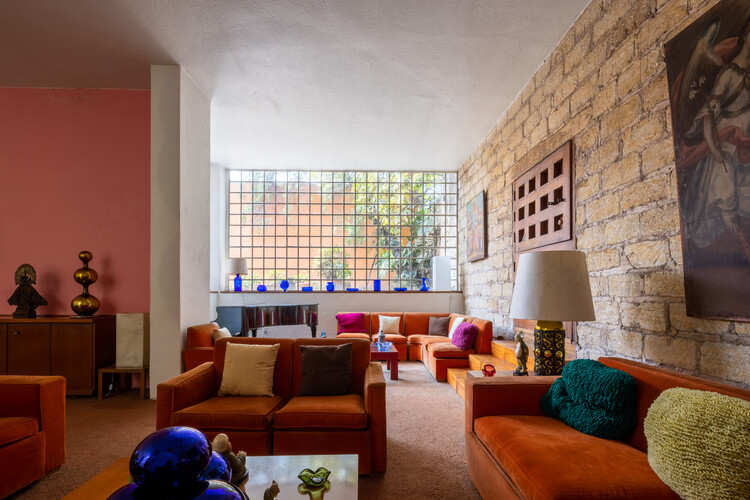
There is a particular moment, just after stepping inside a thoughtfully composed home, when the city quietly disappears. The rhythm of traffic softens into the background, natural light begins to define the passing hours, and every carefully chosen material reveals something about the people who live within it. This is the essence of Mexico City interior living—a philosophy where design becomes less about decoration than about interpreting the pace, culture, and character of one of the world’s most fascinating capitals.
In Mexico City, interiors rarely exist in isolation. They respond to architecture, climate, memory, and daily rituals. A residence in Polanco, a restored apartment in Roma, or a contemporary penthouse overlooking Chapultepec does not simply offer shelter. It reflects an urban identity built upon craftsmanship, intellectual curiosity, and an appreciation for beauty that feels quietly confident rather than overtly luxurious.
Luxury, here, is experienced through atmosphere.
When Architecture Continues Indoors
The finest residences in Mexico City begin long before furniture enters the conversation. Their foundations are architectural.
The city’s contemporary residential language borrows equally from modernism, Mexican regional traditions, and international design movements. Thick stone walls moderate changing temperatures. Oak, walnut, volcanic basalt, brass, linen, and handwoven textiles introduce warmth without excess. Large windows frame jacaranda blossoms in spring and the shifting silhouettes of mature trees throughout the year.
Interior design becomes an extension of architecture rather than an independent exercise.
This continuity explains why homes in Polanco often feel remarkably calm despite their urban surroundings. The neighborhood’s generous avenues, mature landscape, and refined architectural character encourage interiors that privilege proportion, natural light, and tactile materials instead of ornamentation.
Silence becomes a design material.
The Polanco Aesthetic
Polanco occupies a unique position within the cultural landscape of Mexico City.
International fashion houses stand beside independent galleries. Historic residences coexist with contemporary buildings designed by leading Mexican architects. Elegant cafés spill onto tree-lined sidewalks while nearby parks offer generous breathing space rarely associated with global capitals.
These urban qualities naturally influence residential interiors.
Rather than overwhelming visitors with spectacle, many of Polanco’s finest homes embrace restraint. Neutral palettes create room for art collections to breathe. Mexican craftsmanship appears not as decoration but as cultural continuity. Hand-thrown ceramics, woven fibers from Oaxaca, marble from Puebla, and furniture produced by local workshops introduce authenticity without becoming theatrical.
The result is sophisticated but deeply personal.
Every object appears to have earned its place.
Living with Mexican Design Heritage
Contemporary Mexican interiors exist within a remarkable creative lineage.
The emotional architecture of Luis Barragán continues to influence the relationship between color, light, and contemplation. Ricardo Legorreta expanded those principles into bold geometries and generous communal spaces. Today, a new generation of designers interprets these ideas with greater minimalism while preserving their emotional depth.
This evolution extends beyond architecture.
Furniture makers collaborate with traditional artisans. Textile studios reinterpret indigenous weaving techniques through contemporary palettes. Ceramic artists blur the boundaries between sculpture and everyday objects.
Homes become living galleries where craftsmanship remains part of daily life rather than something preserved behind museum glass.
Design, in Mexico City, is not static.
It evolves through conversation between generations.
Materials That Tell Stories
Luxury increasingly reveals itself through provenance rather than price.
Travertine develops subtle character over decades. Solid woods mature beautifully with use. Leather acquires a soft patina. Handmade tiles carry slight imperfections that remind occupants of human craftsmanship.
These materials encourage slower living.
Morning coffee tastes different at a walnut dining table touched by natural sunlight. Evening conversations become more intimate beneath warm indirect lighting reflecting against textured plaster walls.
Nothing feels accidental.
Everything contributes to atmosphere.
Coffee, Conversation, and Everyday Rituals
Interior design ultimately serves daily life.
Mexico City has always celebrated conversation. Meetings begin over expertly prepared coffee, extend into long lunches, and often conclude with evening gatherings where architecture quietly supports human connection.
Many contemporary interiors acknowledge these rituals.
Open kitchens encourage interaction rather than separation. Libraries remain central despite digital lifestyles. Reading corners overlook gardens or terraces. Dining tables become spaces for discussion, creativity, and shared meals prepared with seasonal Mexican ingredients.
Coffee itself occupies a special role.
Beans sourced from Veracruz, Chiapas, and Oaxaca fill homes with aromas that connect urban living to distant agricultural landscapes. The ritual of preparing coffee each morning becomes an architectural experience shaped by light, materials, and carefully organized space.
Luxury emerges from repetition.
Beautiful routines become unforgettable memories.
Art as Daily Presence
Unlike many international capitals where collecting can feel performative, art in Mexico City often inhabits domestic spaces with remarkable ease.
A contemporary painting may hang beside an inherited photograph. Experimental ceramics occupy shelves alongside books on architecture, literature, and photography. Sculptural lighting functions equally as illumination and artistic expression.
Homes reveal curiosity rather than acquisition.
This approach reflects the city’s broader cultural ecosystem, where museums, galleries, artist studios, and design fairs continually inspire private interiors.
Residents frequently move between public cultural experiences and intimate domestic environments without perceiving a boundary between the two.
The home becomes another place of cultural dialogue.
The Quiet Luxury of Light
Perhaps no design element defines Mexico City interiors more profoundly than light.
Morning sunlight enters differently during the rainy season than in winter. Afternoon illumination softens through mature trees. Evening light reflects across volcanic stone, polished wood, and natural textiles with remarkable subtlety.
Successful interiors never fight these changes.
Instead, they choreograph them.
Layered lighting allows architecture to transform after sunset while preserving intimacy. Shadows become as important as brightness. Reflection becomes equally significant as illumination.
Design becomes cinematic without ever feeling staged.
A Home That Reflects the City
The finest interiors in Mexico City resist trends because they respond to something more enduring.
They acknowledge history without becoming nostalgic. They embrace contemporary aesthetics without sacrificing warmth. They celebrate craftsmanship without resorting to excess. Above all, they understand that luxury is not measured by visual abundance but by emotional resonance.
To live well in the capital is to participate in an ongoing conversation between architecture, culture, gastronomy, art, and everyday ritual.
A beautifully designed interior simply allows that conversation to continue after the front door closes.
Within those quiet spaces, the city remains present—not through noise or spectacle, but through memory, material, light, and the unmistakable feeling that sophisticated living begins with thoughtful design.
Here are a list of sugested links to explore:
Leave a Reply