
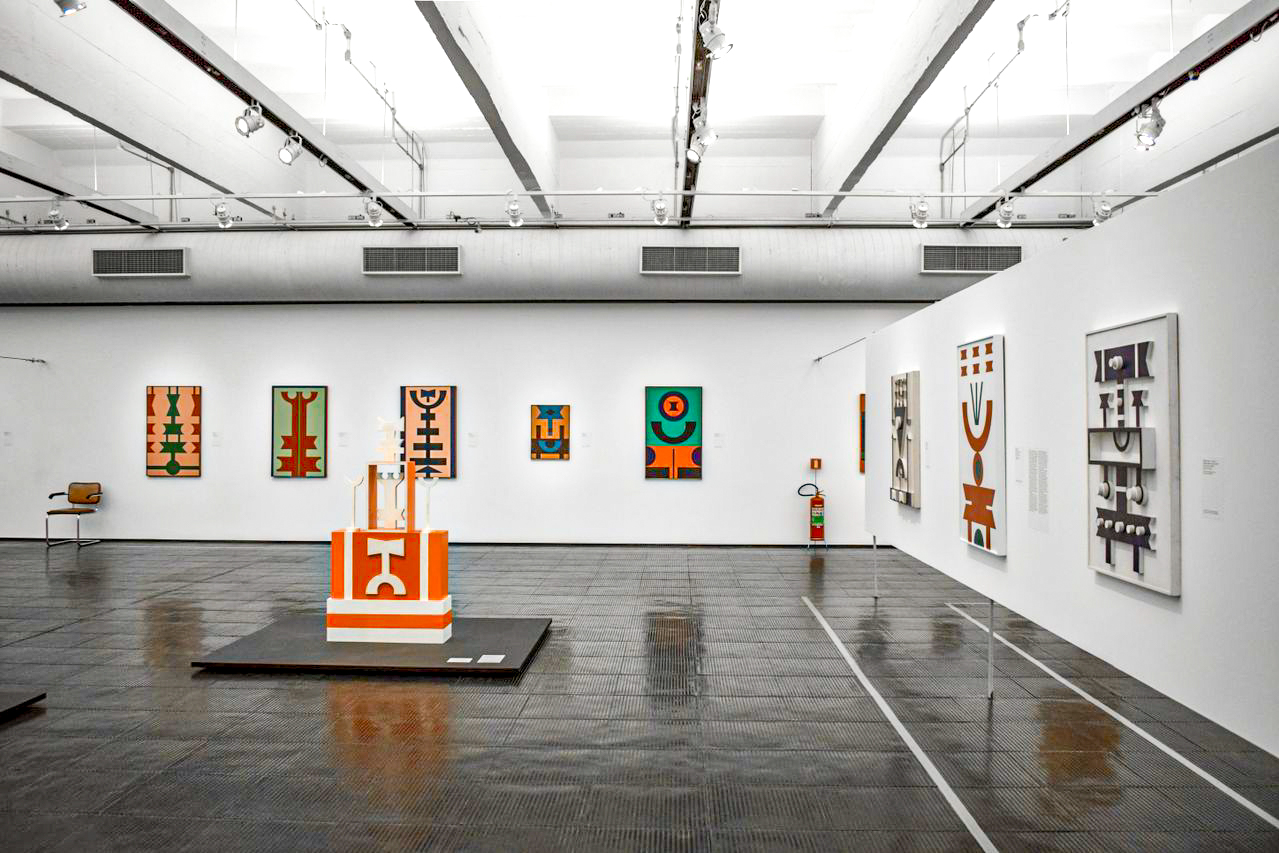
Contemporary Mexican galleries have become some of the city’s most compelling cultural spaces. They are not simply places to observe art. They are environments where architecture, conversation, collecting, and daily life intersect. In Mexico City, particularly around Polanco and its neighboring creative districts, stepping into a gallery often feels less like entering an exhibition and more like joining an ongoing dialogue about identity, craftsmanship, and the future of contemporary culture.
Luxury, here, is measured differently. It exists in silence, in thoughtful curation, and in the confidence of spaces that allow ideas to breathe.
Where Contemporary Mexican Galleries Shape the City’s Cultural Voice
Unlike museums, galleries evolve with remarkable speed. They respond to emerging artists, changing social conversations, and international collectors while remaining deeply rooted in Mexico’s artistic heritage.
Mexico City’s gallery scene reflects a country that continuously reinvents itself. Indigenous references coexist with conceptual installations. Traditional materials appear beside digital experimentation. Photography, sculpture, architecture, and design often occupy the same room without competing for attention.
This fluidity mirrors the city itself.
Every exhibition becomes another chapter in an urban narrative where history never stands still.
For visitors staying in Polanco, gallery-hopping feels surprisingly natural. The neighborhood’s calm avenues, modern residential towers, boutique hotels, and carefully maintained public spaces establish an atmosphere that prepares the eye for contemplation before a single artwork is viewed.
Architecture performs the first act. Art simply continues the story.
Polanco: A Neighborhood That Understands Quiet Sophistication
Polanco has long represented a refined version of Mexico City’s cosmopolitan identity. International fashion houses stand beside independent bookstores. Contemporary restaurants share blocks with private residences built by celebrated Mexican architects.
The experience is remarkably walkable.
Morning light reflects from limestone façades. Mature jacarandas soften clean architectural lines. Café terraces gradually fill with architects reviewing sketches, collectors discussing acquisitions, and designers meeting clients over carefully prepared espresso.
This everyday rhythm explains why so many visitors begin their cultural exploration here.
Art is not isolated from urban life.
It is woven into it.
Architecture Creates the Perfect Frame
Many contemporary galleries intentionally occupy buildings where architecture becomes part of the exhibition.
Natural light replaces dramatic spotlights. Concrete walls reveal texture rather than conceal it. Gardens become transitional spaces between city noise and artistic reflection.
Visitors notice not only what hangs on the wall but how the room itself influences perception.
The building becomes another artist.
Galleries That Continue Expanding the Conversation
Several galleries have transformed Mexico City into one of Latin America’s most influential contemporary art capitals.
Kurimanzutto pioneered a new model of artist collaboration, challenging traditional gallery structures while representing internationally recognized contemporary artists.
Galería OMR continues introducing experimental voices that frequently appear in major biennials and museum collections worldwide.
Labor has become known for intellectually rigorous exhibitions that bridge conceptual art, design, and social commentary.
Proyectos Monclova consistently presents ambitious installations from both established and emerging artists working across multiple disciplines.
Each gallery possesses its own personality.
Some feel almost monastic in their restraint.
Others invite curiosity through unexpected spatial arrangements and interdisciplinary exhibitions.
Together, they create a network of cultural encounters that rewards slow exploration rather than hurried itineraries.
Coffee, Conversation, and the Creative Ritual
Art in Mexico City rarely ends when visitors leave a gallery.
It continues over coffee.
This ritual has quietly become one of the defining characteristics of the city’s creative community.
Independent cafés surrounding Polanco, San Miguel Chapultepec, Juárez, Roma, and Condesa function as informal extensions of gallery culture. Curators discuss upcoming exhibitions. Collectors exchange impressions. Students sketch observations into notebooks while sunlight shifts across wooden tables.
The experience feels refreshingly unforced.
Excellent coffee becomes part of cultural immersion rather than a separate activity.
The conversation often matters as much as the exhibition itself.
Luxury reveals itself through time well spent.
Not through spectacle.
Contemporary Mexican Art Reflects a Country in Constant Dialogue
One of the most fascinating qualities of contemporary Mexican art is its willingness to embrace complexity.
Rather than presenting a single national identity, today’s artists examine migration, memory, ecology, craftsmanship, technology, urbanization, and belonging.
Ancient symbolism frequently reappears through contemporary materials.
Handmade textiles converse with industrial steel.
Ceramics share space with immersive digital projections.
Photography documents both fragile traditions and rapidly changing cities.
For international visitors, these works provide something deeper than aesthetic appreciation.
They offer cultural translation.
Every exhibition becomes an invitation to understand modern Mexico beyond familiar narratives.
Design, Hospitality, and Everyday Aesthetics
One reason Mexico City’s contemporary art ecosystem feels unusually cohesive is the relationship between galleries, hospitality, architecture, and gastronomy.
Restaurants commission local artists.
Boutique hotels collaborate with designers.
Furniture studios exhibit collectible design pieces alongside sculpture.
Private residences open periodically for cultural events.
The boundaries separating disciplines gradually disappear.
This interconnected approach reflects an understanding that design is not decoration.
It is a way of living.
For discerning travelers, this integration creates remarkable continuity throughout a stay. Breakfast, architecture, art, dining, and evening conversation become parts of the same cultural experience rather than isolated activities.
The city rewards curiosity.
Not consumption.
Looking Slowly Changes Everything
Perhaps the greatest lesson offered by contemporary galleries is patience.
Modern cities often encourage speed.
Art quietly resists it.
Standing before a painting for several uninterrupted minutes feels increasingly rare. Yet this simple act changes how visitors experience everything afterward. Buildings reveal previously unnoticed details. Street sounds acquire rhythm. Shadows become compositional elements. Even an afternoon walk through Polanco begins to resemble an exhibition curated by light itself.
Luxury, at its highest expression, creates this shift in perception.
It expands attention.
Rather than asking for more experiences, it encourages deeper ones.
That may be the true achievement of contemporary Mexican galleries.
They do not merely display artwork.
They transform the way a city is seen.
Leave a Reply