
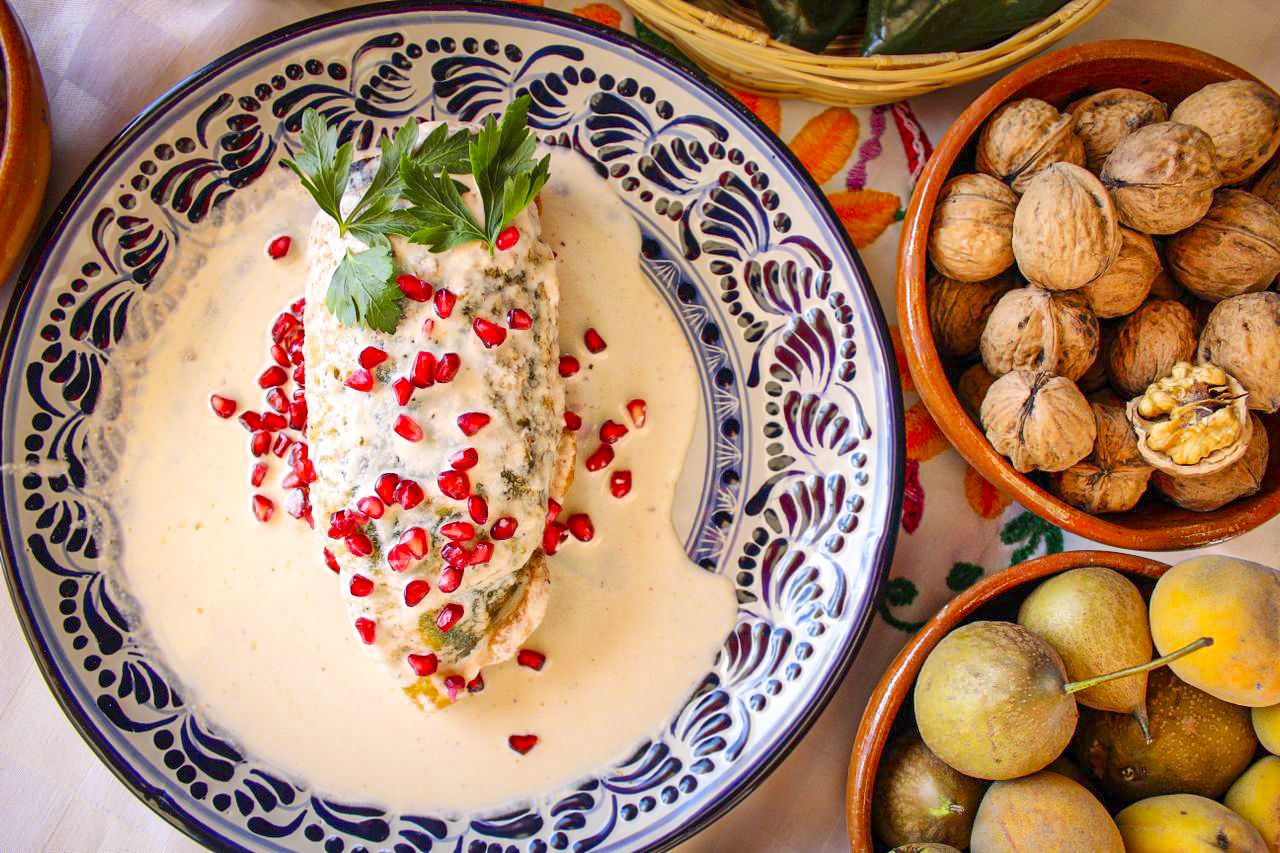
The End of Culinary Translation
There was a time when Mexican haute cuisine arrived at international tables accompanied by explanations.
Chefs described ancient ingredients. Menus translated indigenous names. Critics patiently connected contemporary dishes to pre-Hispanic traditions. Mexican gastronomy often appeared framed by context, almost as if it needed permission to occupy the highest levels of global culinary culture.
That moment has passed.
Today, Mexican haute cuisine no longer requires interpretation. It no longer asks for validation. It no longer introduces itself through historical footnotes or cultural disclaimers. Instead, it speaks with the confidence of maturity—complex, refined, and unmistakably its own.
In Mexico City, this evolution feels particularly visible. Not because the city invented the movement, but because it became one of its most compelling stages. Here, culinary sophistication unfolds naturally between modernist architecture, contemporary galleries, diplomatic residences, and neighborhoods that continue to reinvent themselves without losing their memory.
The result is a gastronomic culture that feels less like a trend and more like an established language.
One that no longer needs translation.
Mexican Haute Cuisine as Cultural Confidence
The most interesting luxury experiences rarely emerge from excess.
They emerge from certainty.
Modern Mexican gastronomy reflects exactly that. The country’s leading chefs no longer feel compelled to prove that local ingredients belong among the world’s finest. Corn, cacao, huitlacoche, chile varieties, native herbs, and ancestral techniques have moved beyond novelty. They are simply part of an accepted culinary vocabulary.
This confidence has transformed the dining experience itself.
Restaurants no longer perform Mexican identity. They inhabit it.
A tasting menu may move seamlessly between indigenous ingredients and contemporary techniques without pausing to explain either. A dish might reference centuries of agricultural knowledge while appearing strikingly minimalist. Tradition and innovation coexist without tension.
The conversation has changed.
The question is no longer whether Mexican cuisine deserves a place among the world’s great gastronomic traditions.
The question is what comes next.
Why Mexico City Became the Natural Capital of Contemporary Mexican Gastronomy
Mexico City thrives on contradiction.
Ancient foundations support glass towers. Street markets operate beside luxury boutiques. Political history intersects with contemporary design. The city rewards complexity rather than simplicity.
Its culinary culture follows the same pattern.
Within a few kilometers, diners can experience deeply traditional cooking techniques preserved for generations and some of the most experimental culinary concepts in the hemisphere. Neither feels more authentic than the other.
Both belong.
This is one reason why international chefs, critics, collectors, diplomats, and cultural travelers continue to gravitate toward the city. Gastronomy here reflects the broader intellectual energy of urban life itself.
Food becomes a form of cultural conversation.
Every plate carries traces of migration, trade, architecture, memory, geography, and social change. Yet these layers rarely feel academic. They feel alive.
The city does not preserve culture behind glass.
It serves it.
Mexican Haute Cuisine and the Architecture of Taste
Design Has Become Part of the Experience
The evolution of Mexican haute cuisine extends beyond the kitchen.
Dining rooms have become carefully considered cultural spaces where architecture, lighting, materials, and atmosphere contribute as much to memory as flavor itself.
Mexico City’s most compelling restaurants often occupy spaces that reveal something about the city’s character. Historic mansions coexist with contemporary structures. Brutalist influences appear beside warm natural materials. Art collections share attention with culinary craftsmanship.
This relationship between gastronomy and design feels especially visible in Polanco.
Here, modern architecture frames some of the city’s most ambitious culinary experiences. Yet the neighborhood’s sophistication rarely feels performative. Instead, it reflects a broader understanding that luxury exists in thoughtful details.
A perfectly proportioned room.
A table positioned near natural light.
A meal paced according to conversation rather than efficiency.
These elements matter.
Not because they signal status, but because they create presence.
Beyond Fine Dining: The New Definition of Luxury
For decades, luxury dining often relied upon imported ingredients and visible extravagance.
The contemporary Mexican approach feels different.
A rare heirloom corn may carry more significance than imported caviar. A centuries-old preparation technique may generate more excitement than molecular theatrics. Provenance has become more important than spectacle.
This shift mirrors broader changes occurring throughout global luxury culture.
Affluent travelers increasingly seek authenticity over performance. They value knowledge over exclusivity. They pursue experiences that deepen understanding rather than merely displaying privilege.
Mexico City understands this instinct remarkably well.
The city’s gastronomic identity encourages curiosity. It rewards attention. It invites guests to explore layers of meaning that reveal themselves gradually.
The finest meals often feel less like consumption and more like discovery.
The Global Influence of Mexican Haute Cuisine
Recognition Without Compromise
One of the most remarkable aspects of contemporary Mexican gastronomy is how internationally influential it has become without losing its cultural specificity.
Many culinary movements achieve global success by adapting themselves to outside expectations.
Mexico largely avoided that path.
Instead, the world adapted to Mexico.
International culinary institutions increasingly recognize ingredients, techniques, and philosophies that originated within Mexican traditions. Chefs across continents reference methods rooted in indigenous agricultural systems. Global diners have developed greater familiarity with ingredients once considered obscure outside the country.
Yet the most meaningful developments remain local.
The true strength of Mexican haute cuisine lies not in international rankings or awards, but in its ability to remain connected to communities, producers, landscapes, and cultural memory.
Recognition followed authenticity.
Not the other way around.
Polanco: A Front-Row Seat to Mexico’s Culinary Renaissance
For visitors seeking to understand contemporary Mexico City, few neighborhoods offer a better vantage point than Polanco.
The district occupies a unique position within the city’s cultural ecosystem. Museums, galleries, embassies, design showrooms, luxury retail, and exceptional restaurants exist within walking distance of one another.
This proximity creates a distinctive rhythm.
A morning spent exploring art can naturally lead to an afternoon conversation over lunch. Architecture becomes part of the day’s narrative. Gastronomy becomes another lens through which the city reveals itself.
For guests of OLIVER Luxury Experiences, this dynamic feels particularly immediate.
The property functions not merely as accommodation but as a cultural gateway. It provides access to the intellectual and sensory richness that defines contemporary Mexico City. From here, the city’s evolving gastronomic story feels less like an attraction and more like daily life.
Which may be the greatest luxury of all.
A Cuisine That Speaks for Itself
The maturation of Mexican haute cuisine reflects something larger than culinary achievement.
It reflects cultural confidence.
The confidence of a country comfortable with its complexity. Also the confidence of chefs who no longer feel obligated to explain every reference. The confidence of diners willing to engage with nuance rather than stereotypes.
Mexico City’s culinary landscape embodies this transformation beautifully.
Meals here can still surprise. They can still educate. They can still challenge assumptions.
But they no longer need to justify their existence.
And perhaps that is the clearest sign of arrival.
As evening settles over Polanco and the city’s lights begin to glow against stone facades and contemporary glass, the conversation around the table continues. Not because anyone is trying to define Mexican cuisine.
But because there is finally something more interesting to discuss.
What it will become next.
Leave a Reply