
Mexico City rewards curiosity differently than most global capitals. It does not reveal itself through landmarks alone. It unfolds through rituals, neighborhoods, conversations, and the rhythm of everyday life. The secret to walking Mexico City as a local is not about knowing where to go. It is about understanding how to move through the city with intention.
This is a city where centuries coexist on the same block. A colonial church casts shadows over an Art Deco façade. A contemporary gallery occupies a former industrial building. A street vendor serves a recipe older than many nations while, a few steps away, a young designer redefines Mexican luxury.
To walk Mexico City well is to participate in its daily choreography. It means slowing down, observing carefully, and allowing the city to reveal itself one street at a time.
Walking Mexico City as a Local: Begin with Observation
Visitors often arrive with itineraries. Residents begin with awareness.
Mexico City is one of the world’s great walking cities, not because every district is pedestrian-friendly, but because its most rewarding experiences emerge between destinations. The walk itself becomes the destination.
Start in Polanco during the early morning hours. The neighborhood feels different before the city reaches full speed. Trees filter soft light onto wide sidewalks. Cafés prepare for the day. Dog walkers exchange greetings. Office towers remain quiet.
This is when the city feels intimate.
The architecture tells a story of contemporary Mexico. Glass towers stand beside mid-century residences. Boutique hotels share streets with embassies and galleries. Luxury here feels integrated into daily life rather than displayed for attention.
For travelers staying in Polanco, this perspective often transforms the experience of the city. It reveals a version of Mexico City that exists beyond tourism and closer to lived reality.
Follow the Neighborhoods, Not the Attractions
The most memorable walks rarely connect monuments. They connect atmospheres.
Polanco: The Art of Contemporary Living
Polanco represents one of the most sophisticated expressions of urban life in Latin America. Its avenues feel carefully composed yet never artificial.
Walk along Avenida Presidente Masaryk, then leave the luxury boutiques behind. Turn onto quieter residential streets. Notice the architectural details. Observe the private gardens hidden behind walls. Listen to the changing soundtrack of conversations, bicycles, and distant traffic.
Polanco rewards those who wander without urgency.
Just beyond lies one of the city’s greatest cultural treasures: the vast green landscape of Bosque de Chapultepec.
Roma and Condesa: The Beauty of Everyday Culture
If Polanco represents refinement, Roma and Condesa embody creative energy.
Tree-lined avenues curve around parks filled with readers, artists, entrepreneurs, and families. The architecture reflects the city’s evolution through the twentieth century. French influences meet Mexican modernism. Art Deco buildings coexist with contemporary design studios.
What makes these neighborhoods remarkable is not their visual beauty alone. It is the sense that culture happens naturally here.
A gallery opening feels as important as dinner. A bookstore becomes a gathering place. A coffee shop evolves into an intellectual salon.
Walking through Roma and Condesa offers a glimpse into the city’s creative pulse.
Learn to Pause
The difference between a visitor and a local often comes down to one skill: knowing when to stop.
Mexico City invites pauses.
Pause at a bakery. Or pause in a bookstore. Pause beneath a jacaranda tree during spring. Pause in a quiet courtyard hidden behind a historic façade.
The city’s cultural richness reveals itself during these moments of stillness.
At Museo Nacional de Antropología, visitors often rush toward iconic artifacts. Residents tend to linger. They understand that the museum is not merely a collection of objects. It is a conversation about identity, memory, and civilization.
The same principle applies throughout the city.
A meal is never simply a meal. A building is rarely just architecture. A neighborhood contains layers of history that deserve attention.
Walking becomes a form of cultural participation.
Taste the City as You Move Through It
Mexico City’s gastronomic culture belongs on the street as much as it belongs in acclaimed dining rooms.
Walking naturally creates opportunities to experience both.
One morning might begin with coffee and pastries in Polanco. Lunch could involve tacos prepared by a vendor who has perfected the same recipe for decades. The evening may end in one of the city’s celebrated restaurants, where contemporary chefs reinterpret regional traditions.
This fluid relationship between high and everyday culture defines the city.
Luxury and authenticity rarely compete here. They often coexist.
The world’s most exciting culinary capitals share this quality. Mexico City possesses it in abundance.
The best approach is simple: remain open to discovery.
Allow recommendations from residents to influence your route. Follow the line forming outside a neighborhood bakery. Trust curiosity more than algorithms.
Architecture as a Walking Companion
Every great city teaches visitors how to see.
Mexico City teaches people how to notice layers.
A City Built Across Centuries
The city stands atop the former capital of the Aztec Empire. Colonial architecture emerged upon those foundations. Modernism reshaped the urban landscape during the twentieth century. Contemporary architects continue adding new chapters.
Walking reveals these layers with remarkable clarity.
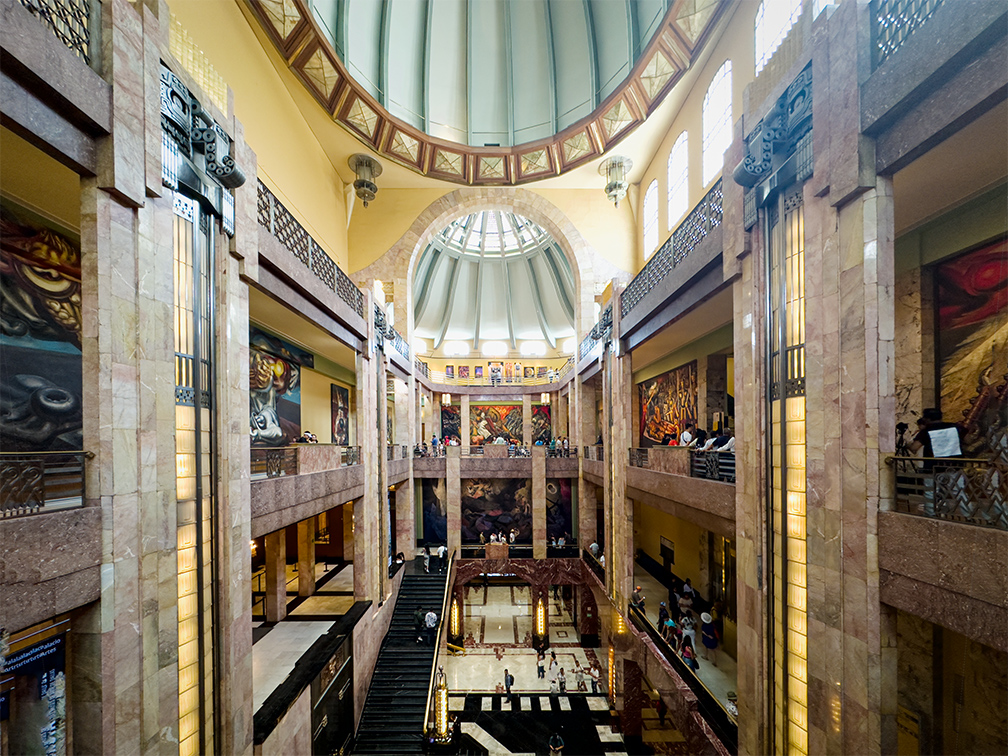
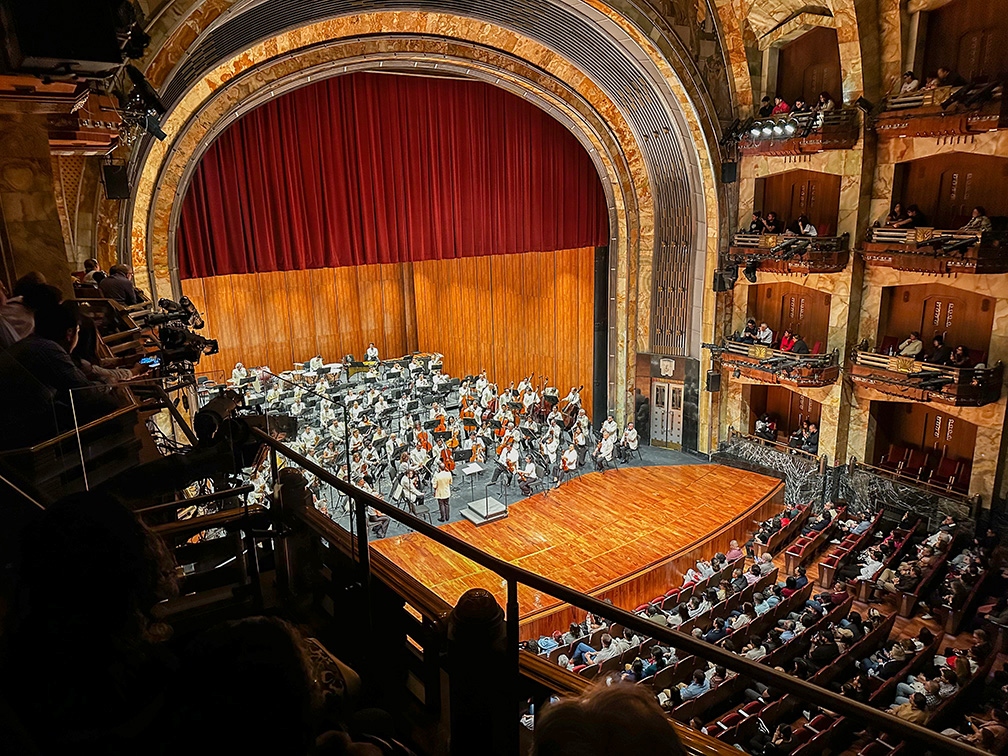
The monumental presence of Palacio de Bellas Artes contrasts beautifully with the restrained elegance of residential modernism found throughout Polanco. Nearby, the work of visionary architect Luis Barragán continues to influence designers worldwide.
Architecture here is not static. It participates in daily life.
People live inside it, work around it, and adapt it continuously.
The city feels alive because its built environment remains deeply connected to human activity.
Embrace the Contradictions
Perhaps the most local thing one can do in Mexico City is accept its contradictions.
The city is immense yet intimate.
Historic yet experimental.
Sophisticated yet spontaneous.
A financial district may stand minutes away from a traditional market. A world-renowned museum may share a neighborhood with a family-owned café operating for generations.
Rather than resolving these contrasts, the city celebrates them.
This complexity explains why Mexico City continues attracting artists, architects, chefs, writers, entrepreneurs, and cultural thinkers from around the world.
It offers something increasingly rare: authenticity without nostalgia and modernity without uniformity.
The City Reveals Itself to Those Who Walk
The finest experiences in Mexico City rarely announce themselves.
They emerge gradually.
A conversation overheard on a shaded avenue. Light reflecting across volcanic stone. The scent of tortillas drifting through an open doorway. A hidden gallery discovered by accident. An unexpected view of the skyline at dusk.
These moments cannot be scheduled.
They must be encountered.
That is why walking remains the most elegant way to understand the city. Not as a visitor collecting attractions, but as a participant in its daily life.
The goal is not to see everything. No one ever does.
The goal is to belong, even briefly, to the rhythm of one of the world’s most fascinating cultural capitals.
And when you move through Mexico City this way—attentive, curious, and unhurried—you begin to understand why so many people arrive intending to visit and leave wishing they could stay.
Leave a Reply