Polanco, fashion and sophisticated lifestyle in the capital’s most refined cultural district
There are cities that seduce through monumentality. Others through movement. Mexico City does both, but nowhere with more subtle confidence than in Polanco — the neighborhood where elegance stopped being performance and became part of daily life.
To walk through Polanco today is to understand how the capital learned to dress itself differently. Not only in tailoring or architecture, but in attitude. In rhythm. In the quiet certainty of a district that does not need to announce its sophistication because it already inhabits it naturally.
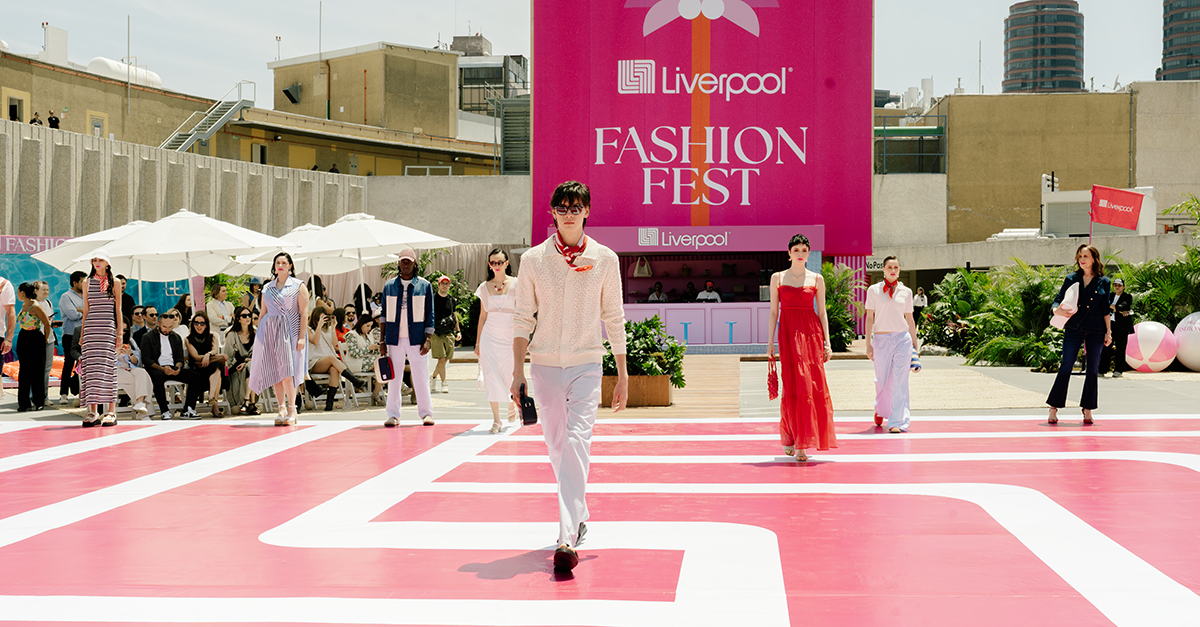
This is where Polanco, fashion and sophisticated lifestyle cease to be marketing language and become something tactile. It exists in the geometry of stone façades touched by afternoon light. In the restrained confidence of contemporary Mexican design. The conversations drifting from cafés along Emilio Castelar. In the discreet choreography of galleries, restaurants, gardens, and private residences that transformed a residential quarter into one of Latin America’s defining urban experiences.
Polanco does not overwhelm visitors. It reveals itself slowly. That may be its greatest luxury.
Polanco, Fashion and Sophisticated Lifestyle: A Cultural Evolution
Long before international fashion houses arrived on Avenida Presidente Masaryk, Polanco had already become a mirror of Mexico City’s aspirations. During the mid-20th century, influential families, intellectuals, diplomats, and entrepreneurs moved westward from the historic center, bringing with them a new architectural language and a cosmopolitan vision for urban living.
The result was not simply wealth. Mexico City already possessed that. What emerged instead was refinement.
Modernist homes appeared beside tree-lined avenues. European influence blended with Mexican materials and spatial sensibilities. Art Deco gradually gave way to functionalism, then to the sculptural contemporary architecture that defines parts of Polanco today.
Unlike other luxury districts around the world, Polanco never detached itself completely from the emotional texture of the city surrounding it. It remains profoundly Mexican. Not folkloric. Not performative. Mexican in its layered contrasts, in its relationship with public space, and in its ability to hold both intimacy and scale simultaneously.
This duality explains why Polanco feels less like an enclave and more like an ecosystem.
Visitors searching for luxury stays in Polanco often discover something deeper: a neighborhood that functions almost like a cultural operating system for contemporary Mexico City.
Architecture That Speaks Quietly
Polanco rarely relies on visual excess. Its sophistication lives in restraint.
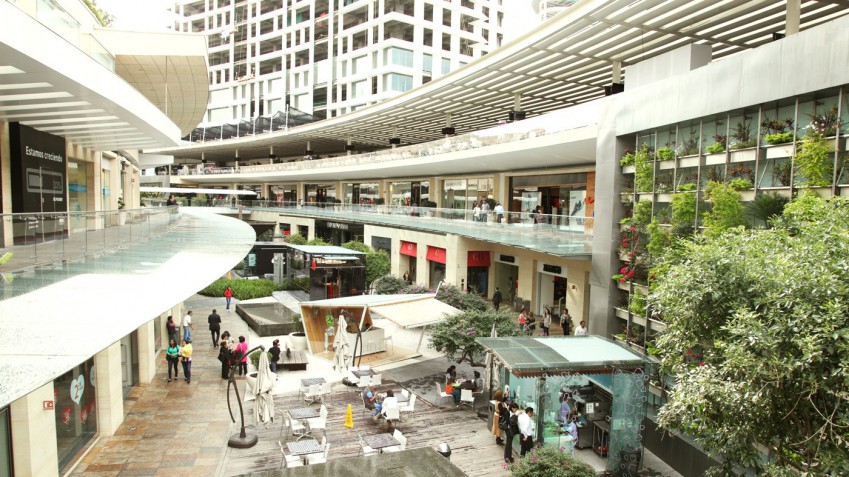
Many of the neighborhood’s most compelling buildings avoid spectacle altogether. Instead, they privilege proportion, materiality, shadow, and atmosphere. Limestone façades absorb the changing daylight. Bronze accents soften modern geometry. Interior courtyards introduce silence into the urban landscape.
The area around Parque Lincoln illustrates this balance perfectly. The neighborhood breathes differently there. Jacaranda trees filter the light. Dogs wander between cafés and bookstores. Elderly residents occupy shaded benches while younger creatives move between meetings and galleries.
The architecture never interrupts this rhythm. It frames it.
Contemporary Mexico City architects have continued this dialogue beautifully. Figures such as Luis Barragán and Alberto Kalach influenced a generation that understands luxury not as ornament, but as emotional clarity.
For travelers interested in architecture in Mexico City, Polanco offers a living lesson in how urban elegance evolves without losing intimacy.
The New Rituals of Gastronomy
If Paris expresses itself through cafés and Tokyo through precision, Mexico City communicates through the table.
Polanco understands this deeply.
The neighborhood’s culinary culture extends far beyond fine dining. It exists in rituals. Late breakfasts stretching into conversation. Long lunches negotiated over wine. Cocktails that begin quietly and end somewhere unexpected.
Restaurants in Polanco rarely feel disconnected from the city’s intellectual life. Designers dine beside financiers. Curators beside filmmakers. International visitors beside lifelong residents. The atmosphere matters as much as the cuisine itself.
This is also where contemporary Mexican gastronomy became more confident in its own voice. Chefs stopped translating Mexican cuisine for international approval and instead began refining regional traditions through technique, sourcing, and design sensitivity.
The result positioned Mexico City among the world’s essential gastronomic capitals.
For guests exploring Mexico City gastronomy, Polanco offers not merely restaurants, but an entire philosophy of urban dining — one where elegance feels social rather than exclusive.
Art, Design, and the Aesthetics of Everyday Life
Polanco’s relationship with culture operates differently from many global luxury districts. Art here does not remain confined to museums.
It spills outward.
A bookstore becomes a design statement. A florist arranges branches like sculpture. Hotel lobbies feel curated rather than decorated. Even the silence inside certain residential streets carries a cinematic quality.
The neighborhood’s proximity to institutions such as Museo Soumaya and Museo Jumex reinforces this cultural density, but the true experience often happens between destinations rather than inside them.
Polanco rewards observation.
One notices the texture of volcanic stone after rain. The scent of espresso mixing with jacaranda blossoms. Reflections moving across glass façades at dusk. These sensory fragments create the emotional architecture of the neighborhood.
For travelers seeking art and museums in Polanco, the district offers something increasingly rare in contemporary cities: coherence. Design, gastronomy, architecture, and hospitality speak the same visual language.
The Luxury of Privacy in a Hyperconnected City
Mexico City moves with astonishing intensity. Traffic surges. Conversations overlap. Music escapes from open windows. The city vibrates constantly.
Polanco, however, understands the value of controlled stillness.
This may explain why the neighborhood attracts travelers who already know the world well. They are not searching for spectacle. They seek calibration. A place that allows access to culture without exhausting proximity to it.
Here, luxury manifests through privacy, scale, and emotional ease.
Boutique residences conceal themselves behind understated entrances. Courtyards soften the city’s acoustics. Hotels favor discretion over performance. Service becomes intuitive rather than theatrical.
This sensibility aligns naturally with the ethos of contemporary urban hospitality emerging across Mexico City — one rooted less in opulence and more in emotional intelligence.
For those pursuing cultural experiences in Mexico City, Polanco offers a sophisticated paradox: immersion without chaos.
A Neighborhood That Continues to Redefine Mexico City
Great neighborhoods never become static. Polanco certainly has not.
Its identity continues evolving alongside the city itself. Younger creatives increasingly shape its future. Independent galleries coexist beside heritage institutions. Contemporary Mexican fashion labels stand confidently beside global luxury brands.
Yet Polanco’s greatest achievement may be preserving a sense of emotional continuity amid constant transformation.
The neighborhood still understands pacing. It still values conversation. It still privileges beauty that unfolds slowly rather than instantly.
In an era dominated by acceleration, Polanco feels almost radical in its composure.
Perhaps that is why the district resonates so deeply with discerning travelers today. Not because it offers escape from Mexico City, but because it distills the city’s most sophisticated qualities into a more intimate human scale.
Polanco is not simply where Mexico City learned to dress.
It is where the city learned elegance could feel lived-in rather than displayed.
And once experienced properly, that atmosphere lingers long after departure.
Leave a Reply